People often compare a reverse osmosis (RO) system with a gravity-fed ozone water filter when they need safe drinking water at home, outdoors or in an emergency. The two approaches treat water in different ways, so the useful question is not which device is “best” in general, but which one matches the contaminants you must remove, the power and drainage you have, and how you will use the water.
In short: choose RO when you need membrane reduction of dissolved salts and you have power and a way to handle reject water. Choose a gravity-fed ozone filter when you need portable, pump-free filtration — and confirm whether any ozone stage requires power. Use the decision table below, then review laboratory reports for the contaminants that matter in your water.
How each technology treats water
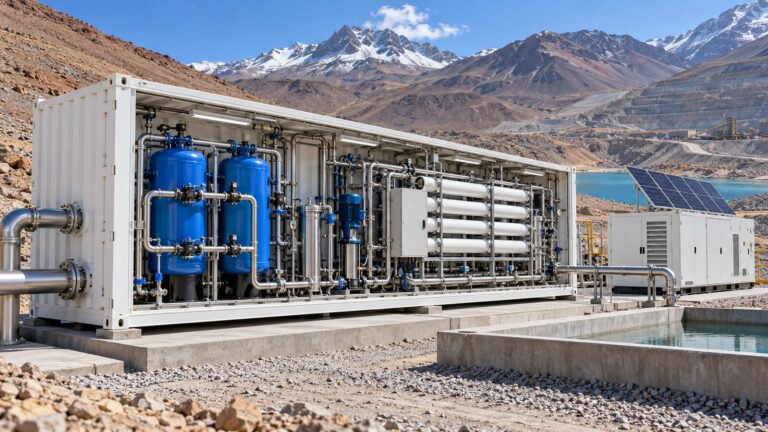
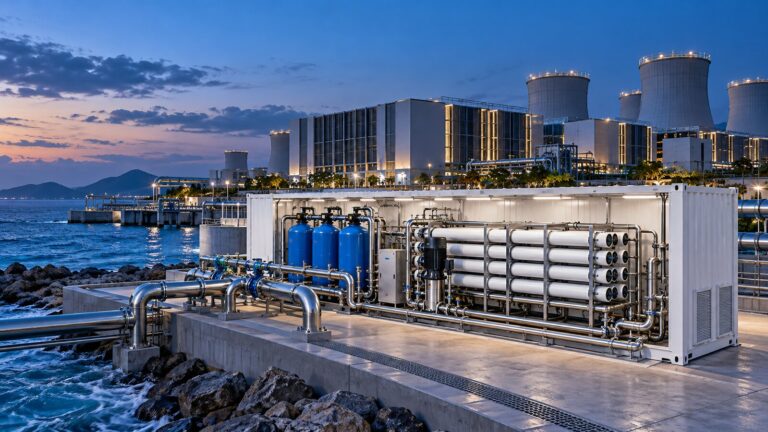
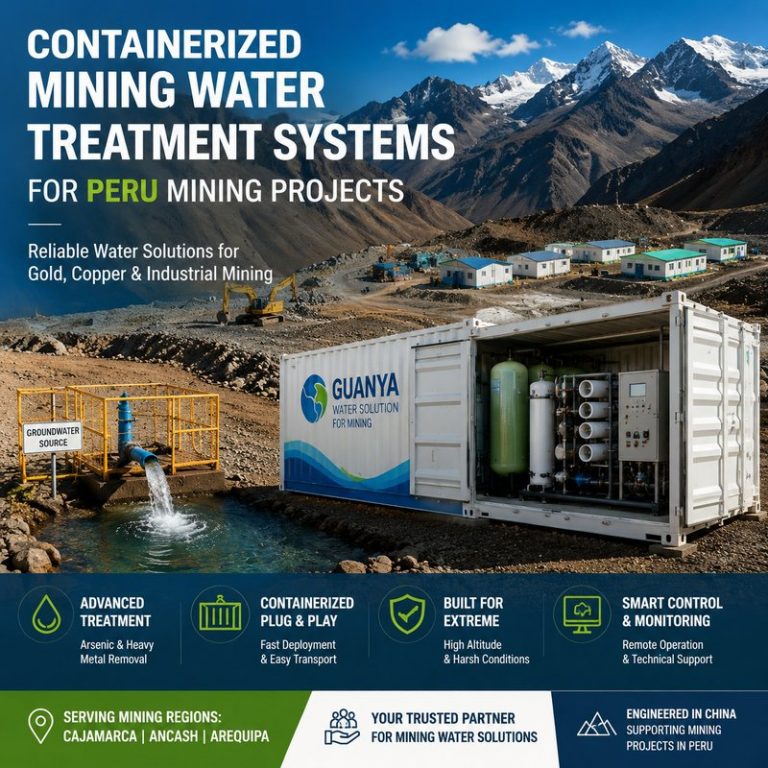
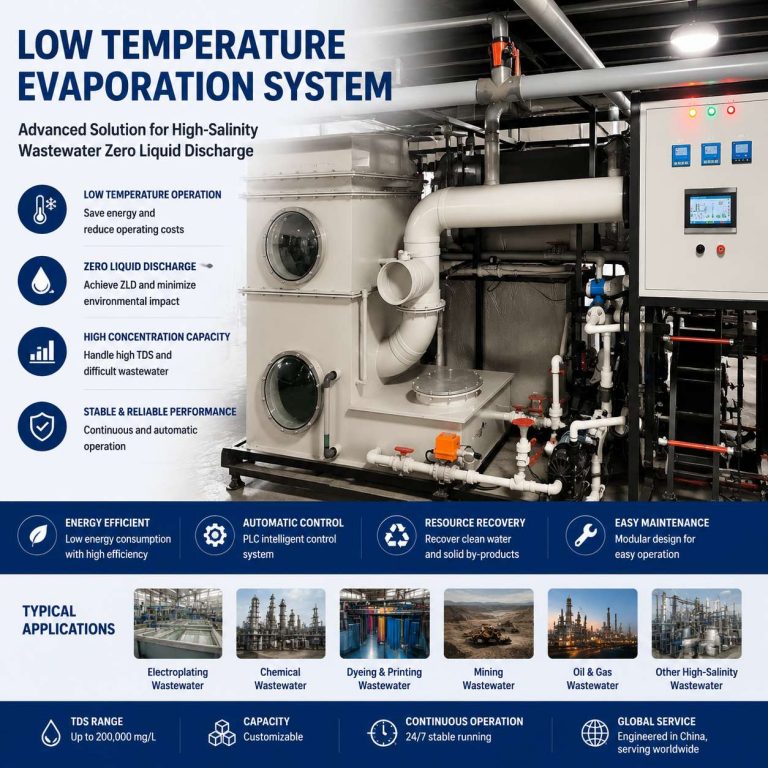
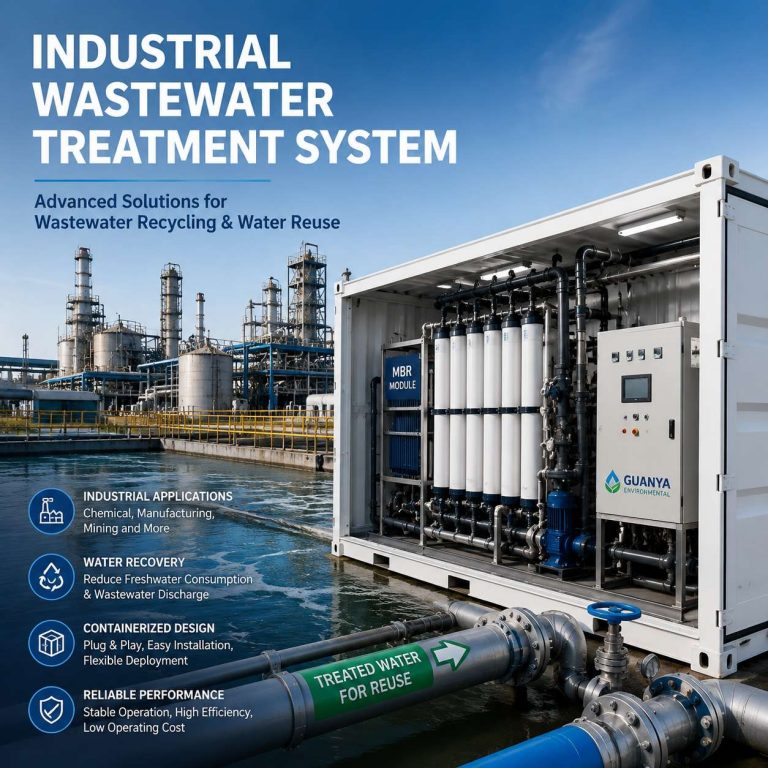
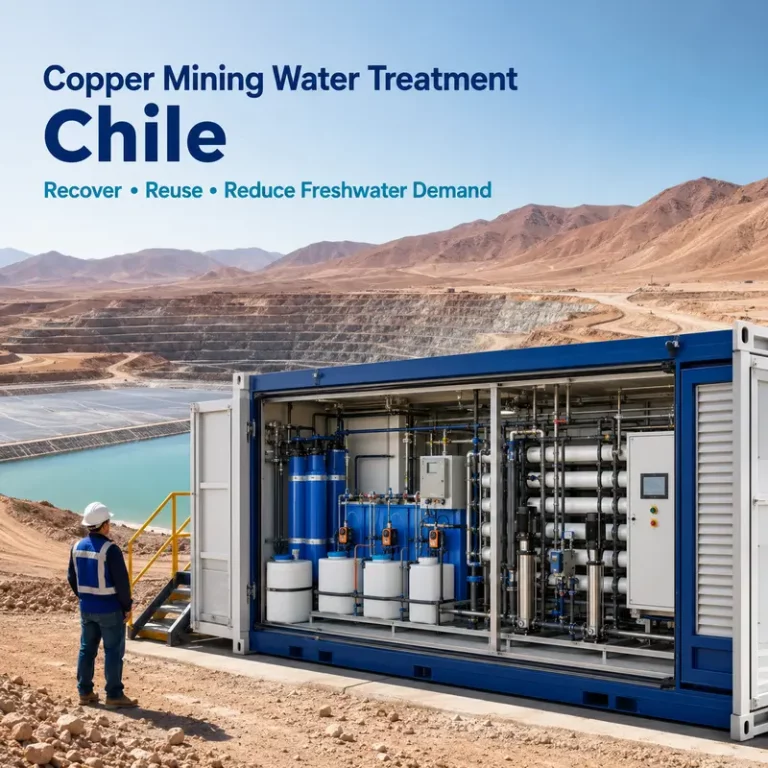
An RO system pushes water through a semi-permeable membrane. Dissolved salts and many dissolved contaminants are reduced in the product water, while a concentrate or reject stream is discharged. The process needs electrical power for the high-pressure pump (and usually a drain or collection tank for reject water). Household and industrial RO units are typically plumbed in and sized for a daily demand.
A gravity-fed filter lets water pass downward through a stack of filter media without a high-pressure pump. In GUANYA’s emergency gravity unit, that stack is combined with an ozone disinfection stage. Gravity filtration does not require fixed plumbing. It is a compact, portable point-of-use device rather than a continuous pressurized RO plant.
Because the mechanisms differ, headline claims are not interchangeable. An RO membrane is specified for salt and dissolved-solids reduction; a gravity cartridge is specified for the media in its stack; ozone is a disinfection stage whose results depend on source water, contact time and correct operation. Always read laboratory reports with the water type, contact time and method used in the test.
RO vs gravity-fed ozone: decision table
The table below is a selection guide, not a performance guarantee. Removal figures, operating cost and service life are product- and water-specific; see the linked product and technical articles for tested claims.
| Decision factor | Reverse osmosis (RO) | Gravity-fed ozone filter |
|---|---|---|
| Contaminant removal | Specified for dissolved-salt reduction and many dissolved contaminants when the membrane and pretreatment are selected for that duty | Multi-stage media filtration plus, where fitted, an ozone disinfection stage; check laboratory reports for each contaminant class (for a layer-by-layer filtration breakdown, see the 15-layer article) |
| Wastewater / reject | Produces a concentrate/reject stream that must be drained or collected | No high-pressure RO reject stream |
| Power needs | Requires electrical power to produce water | Gravity filtration can run without a high-pressure pump; an ozone disinfection stage, where fitted, requires electrical power |
| Installation | Usually plumbed in, with a drain and a power supply | No fixed plumbing required; portable stainless-steel units can be set up where they are needed |
| Typical use | Homes, facilities and process-water duties that need membrane desalting and a continuous supply | Household, outdoor, remote and emergency or preparedness use where a compact, movable treatment point is required |
| Cost | Compare capital cost, power, membrane and filter replacements, and reject-water handling for the actual duty | Compare unit cost, replacement cartridges or ceramic elements, and any ozone consumables or power provision; prices vary by specification and quantity |
When RO is the better choice
RO is the practical choice when the water problem is dissolved salts or a contaminant class that a specified RO membrane is designed to reduce, and when power and a reject drain are available. It is also the usual route for a fixed household or facility supply that must run every day. If you are treating well water, brackish water or a municipal supply with elevated dissolved solids, start with a water analysis and an RO specification rather than a portable gravity unit.
When a gravity-fed ozone filter is the better choice
A gravity-fed unit is useful when you need a movable point of treatment, when there is no fixed pipework, or when you are planning for water interruptions. It can serve prepared households, small teams and supervised temporary facilities. It is not a municipal treatment plant and it is not sized as a large-shelter water-supply system.
Outdoor, remote and emergency users often prefer a pump-free format because it can be placed where the water is. Preparedness and institutional buyers should still verify the treatment stages, replacement consumables, and whether the disinfection stage needs electricity, and they should request the laboratory reports that support any removal claim.
Who typically uses a gravity water filter
The same compact gravity unit can serve more than one user group, provided the source water is suitable and the operating instructions are followed:
1. Household users
- Families, homeowners, renters and elderly users
- Users in areas with aging pipelines or secondary contamination of tap water
- Parents needing water for cooking and drinking, including baby formula, after the unit’s stated use conditions are met
2. Public and commercial users
- Temporary offices, construction sites and mobile workstations
- Guesthouses, shops and public-service points that need a low-infrastructure treatment option
3. Outdoor and mobile users
- Campers, hikers and off-grid or RV travelers seeking portable, pump-free filtration
4. Remote and off-grid areas
- Locations without a centralized water supply, including wells, rivers or groundwater sources — always after a source-water assessment for the contaminants of concern
5. Emergency, disaster-relief and preparedness users
- Emergency response, humanitarian teams and preparedness programs that need a life-saving portable treatment point when piped supply is interrupted
- Temporary camps, field bases and NGO projects, with defined source-water and operating controls
How to decide
Start with the water, not the product. Identify the source, have it analysed if the duty is regular supply, and list the contaminants you must reduce. Then check power, drainage, installation space and whether you need a portable unit or a fixed plant. Use the table above to shortlist the technology, and only then compare a specific RO specification or a specific gravity unit.
For the gravity option, read the layer-by-layer filtration description and the emergency-preparedness guide, and request the product technical file. For dissolved-salt or process-water duty, an RO system should be specified from the water analysis.
Frequently Asked Questions
What is the main difference between RO and a gravity-fed ozone water filter?
Reverse osmosis uses a high-pressure membrane to reduce dissolved salts and many dissolved contaminants, and it produces a reject stream that must be drained or collected. A gravity-fed ozone unit relies on multi-stage filtration under gravity and, where fitted, an ozone disinfection stage. It does not create a high-pressure RO reject stream. Choose based on the contaminants you must remove, the power and drain you have, and the intended use.
Which option is better for emergencies or places without reliable power?
A gravity-fed filter can produce drinking water without a high-pressure pump or fixed plumbing, which is why it is often considered for emergency and off-grid use. If the unit includes an ozone disinfection stage, that stage needs electrical power even though the filtration itself can run by gravity. An RO unit needs power whenever it is producing water.
Does a gravity water filter replace a household or industrial RO system?
No. A compact gravity unit is a point-of-use or emergency treatment device. It is not a municipal plant and it is not a substitute for an RO system specified to remove dissolved salts at household or process-water duty. Check laboratory reports for the contaminants that matter to you, and see the product page for the treatment sequence.
Related resources
- Emergency gravity water filter with ozone disinfection
- 15-layer deep filtration in a gravity water filter
- Gravity water filter with ozone for emergency and preparedness use