Different Industries Require Different Water Treatment Solutions
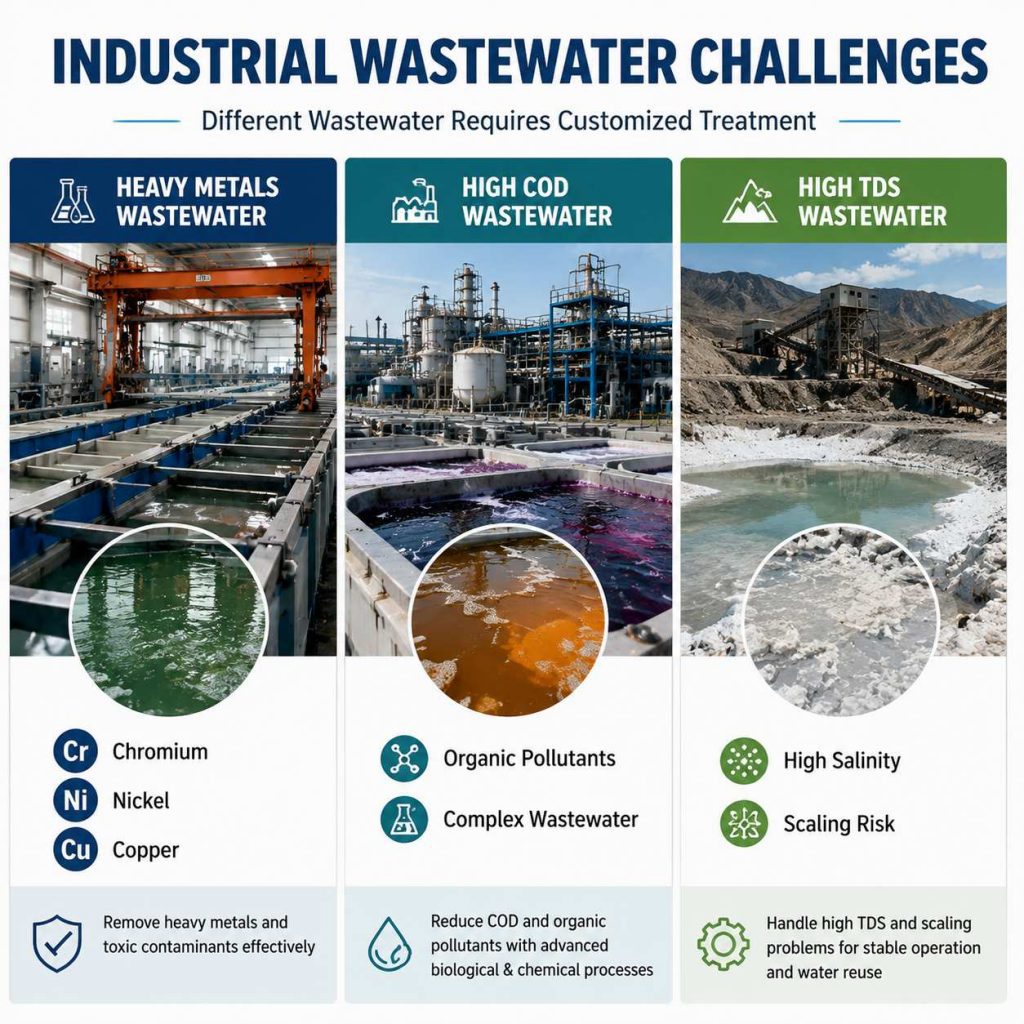
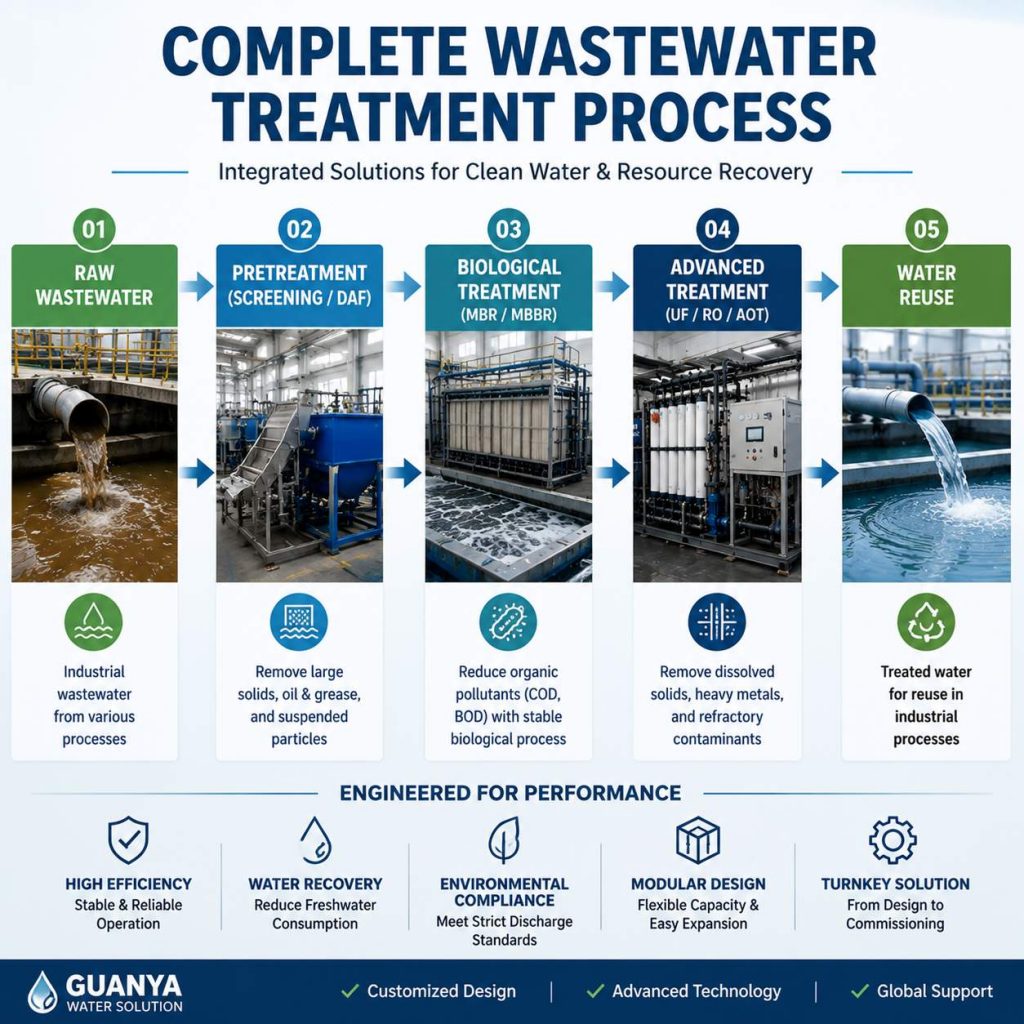
Industrial wastewater often contains several pollutant groups, so treatment must be selected from representative water analysis and the required discharge or reuse quality.
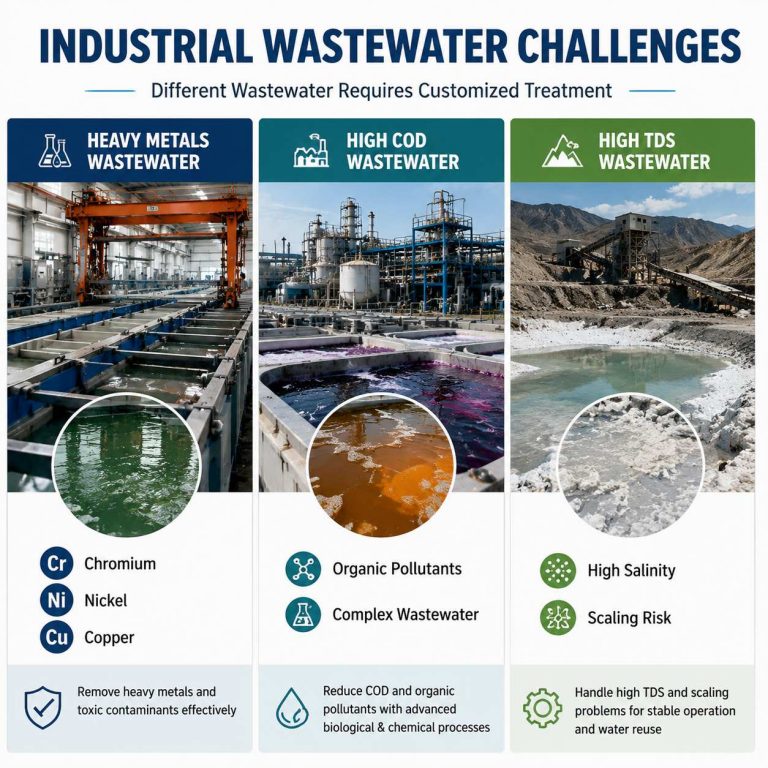
Heavy metals and toxic contaminants
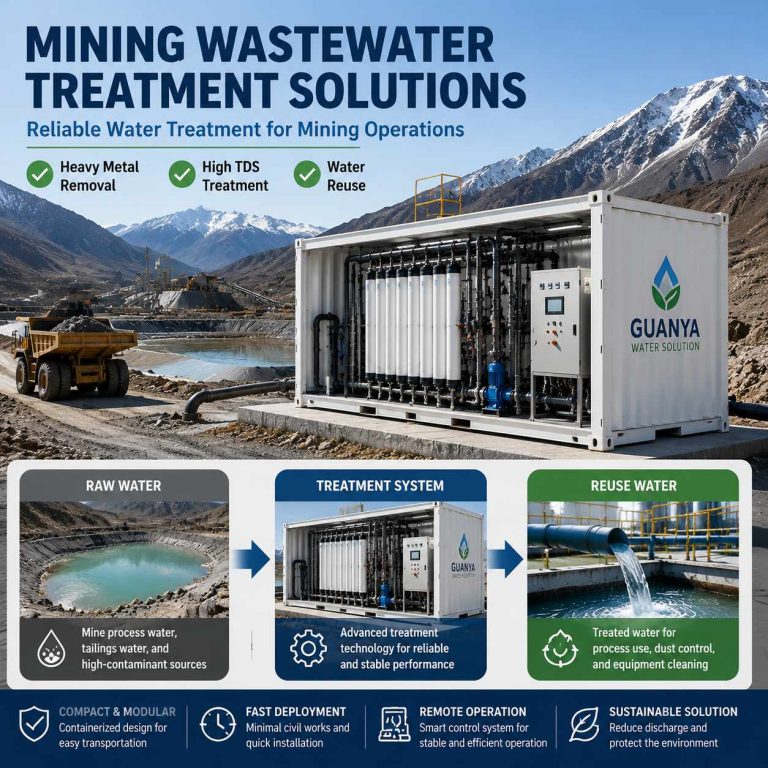
Mining, electroplating and metal-processing wastewater may contain copper, nickel, chromium, zinc, lead and other metals. Treatment options include chemical precipitation, solids separation, filtration and, where appropriate, membrane or polishing processes.
High COD and organic pollutants
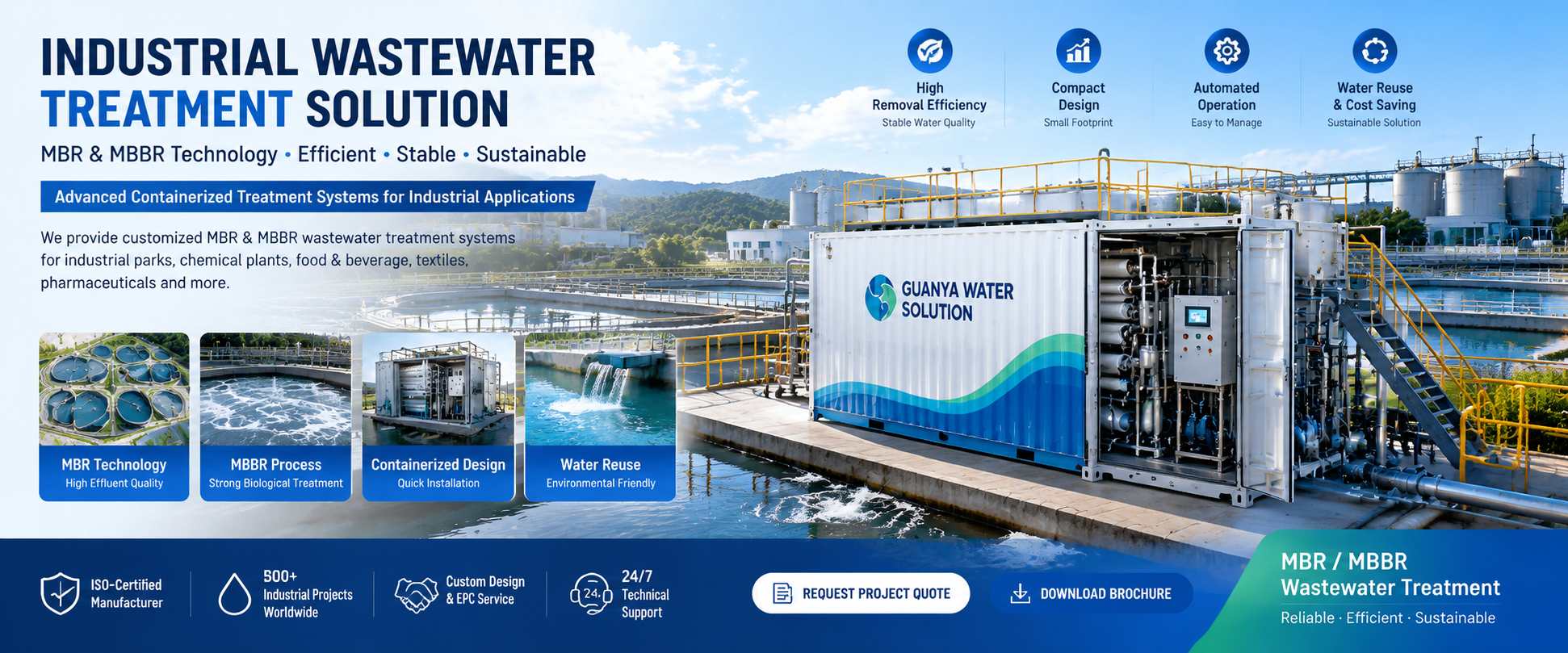
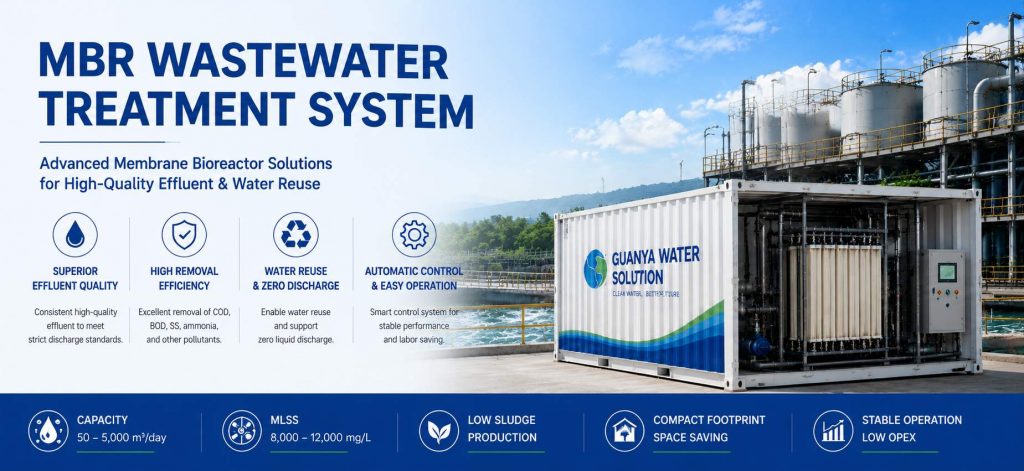
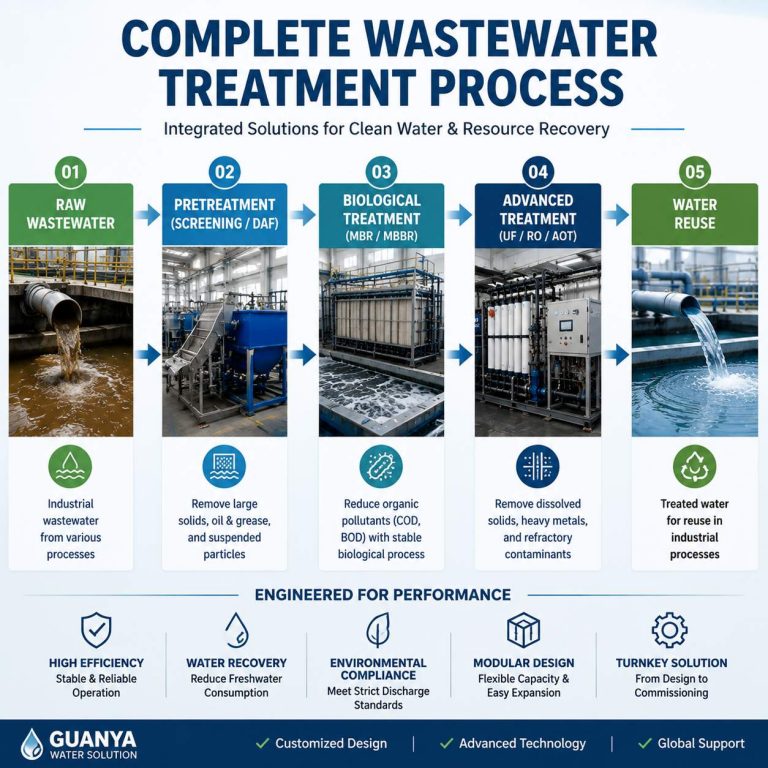
Chemical, textile, food-processing and manufacturing wastewater may contain high organic loads. Biological treatment such as MBBR or MBR, chemical treatment and advanced oxidation may be combined after evaluating biodegradability and toxicity.
High TDS and salinity
For suitable high-salinity streams, options include RO, NF and low-temperature evaporation. Scaling, fouling, energy requirements and concentrate handling must be assessed before selecting the process.
Water reuse and discharge requirements
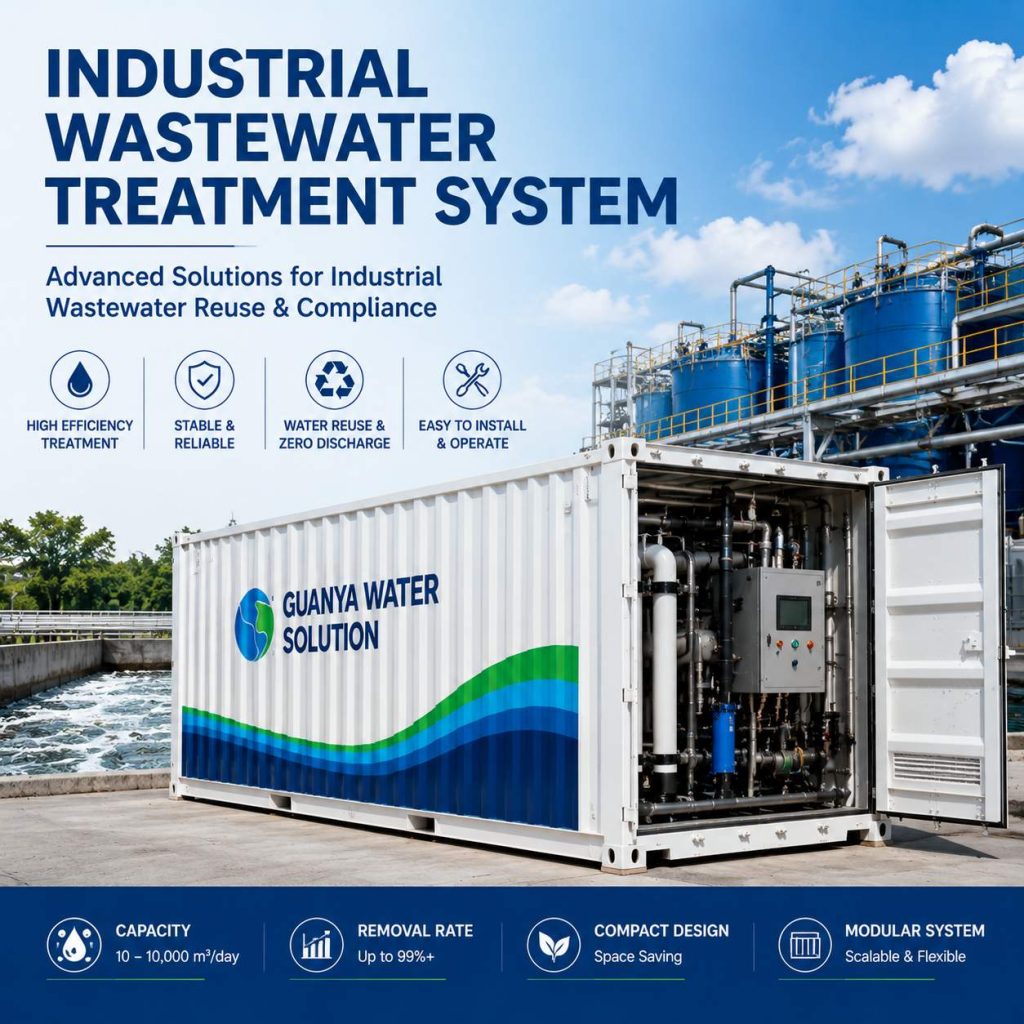
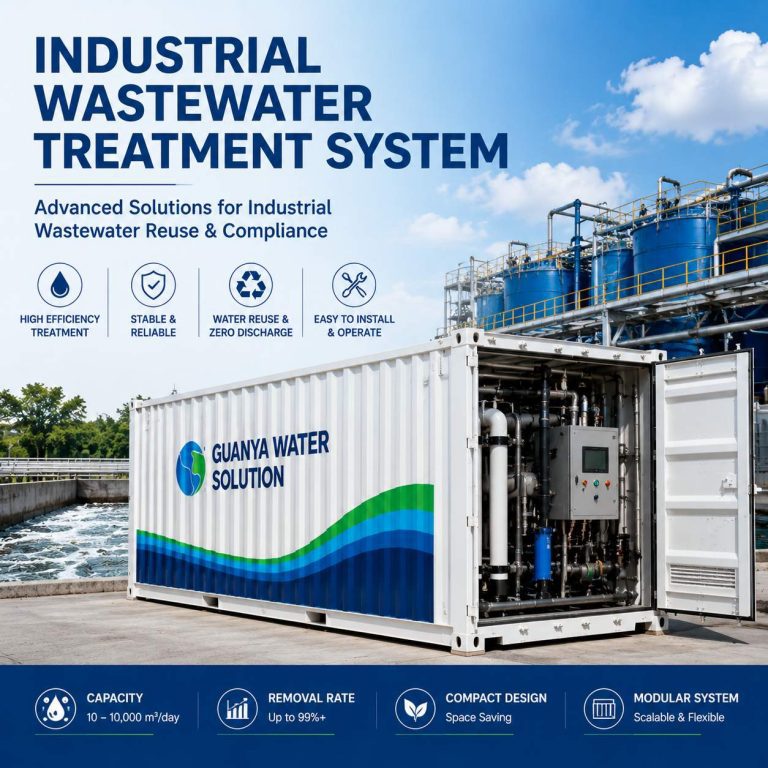
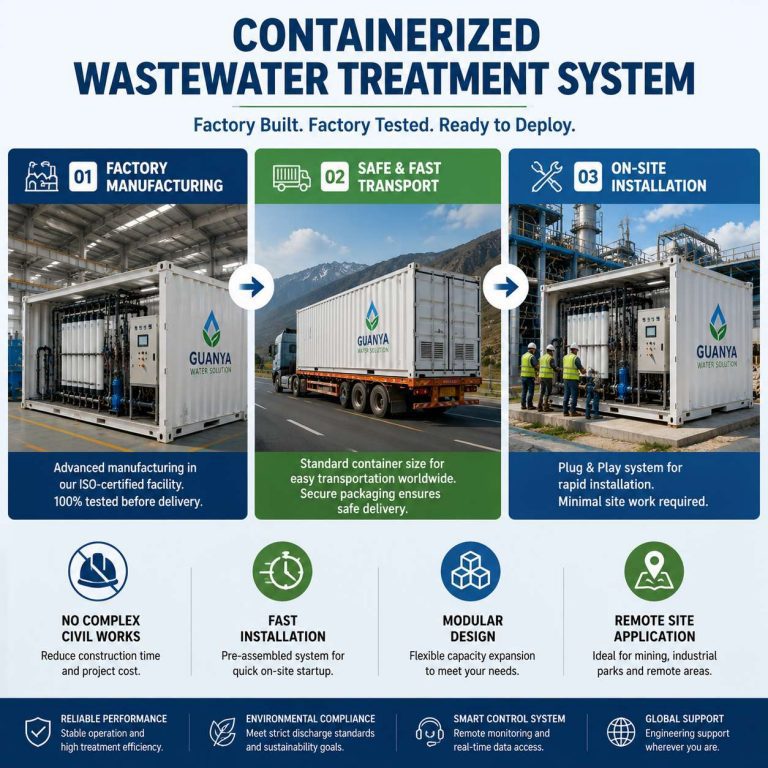
The treatment target depends on the intended reuse application or applicable discharge limits. An engineered system can support process-water reuse, reduced freshwater demand and lower wastewater discharge, subject to the agreed design basis.