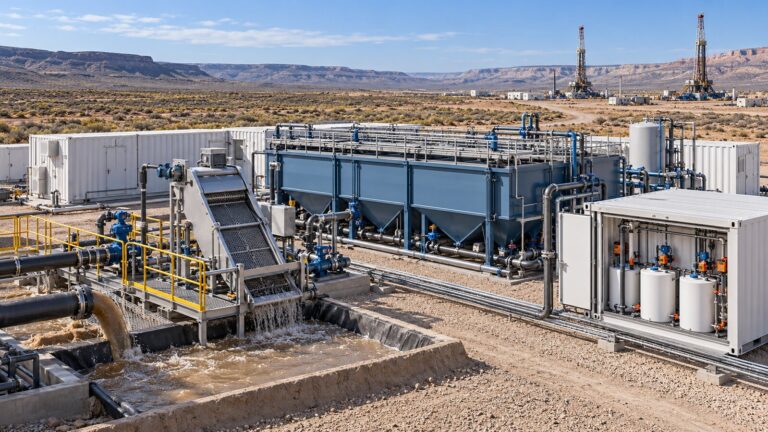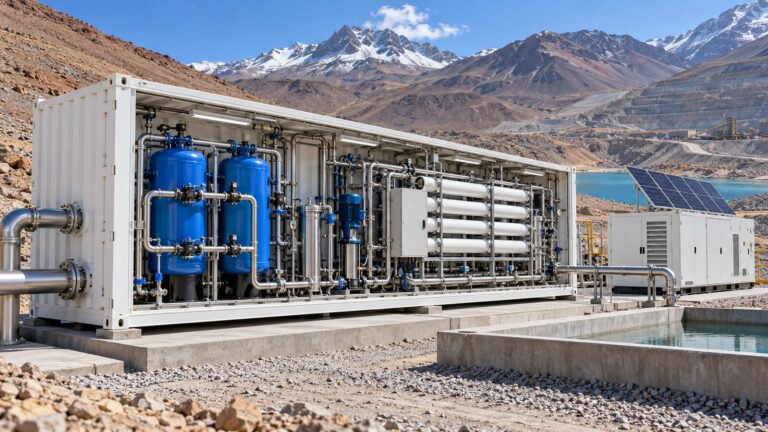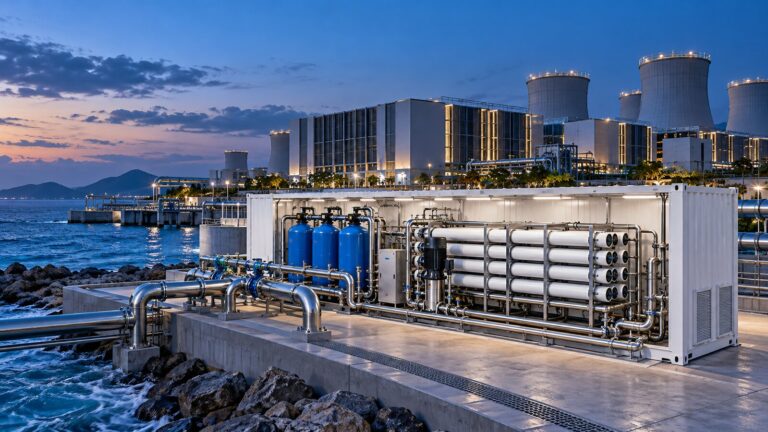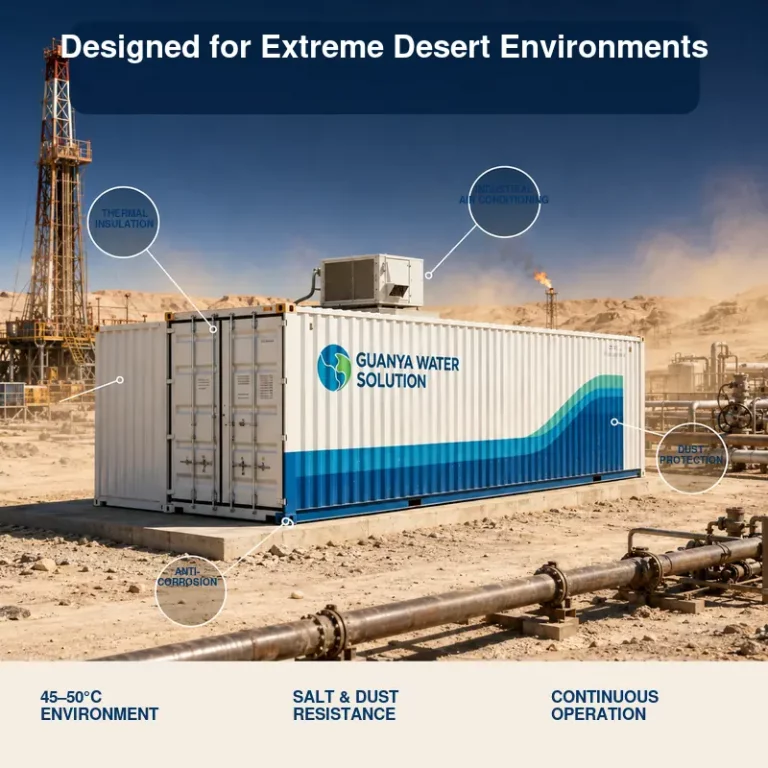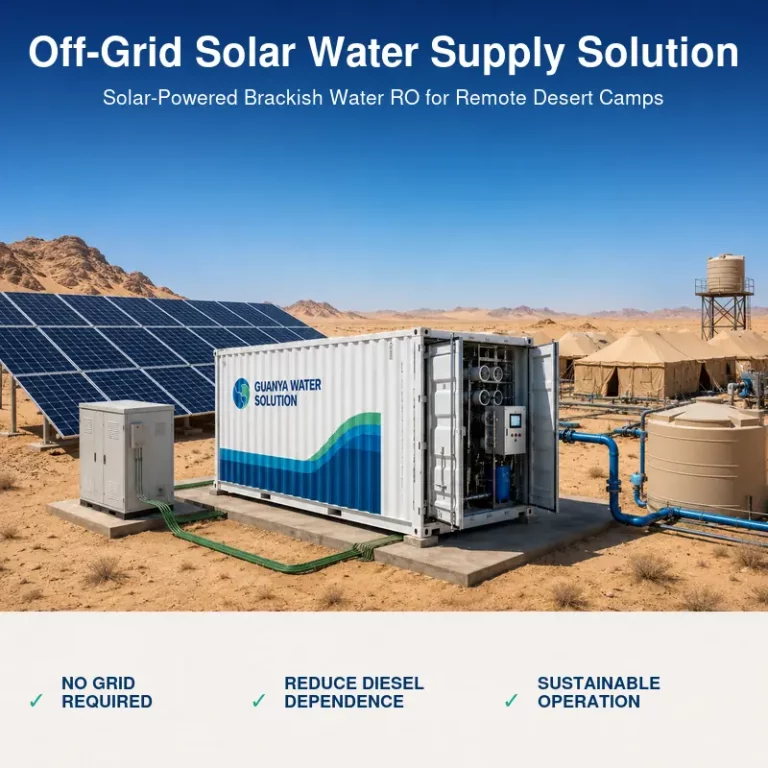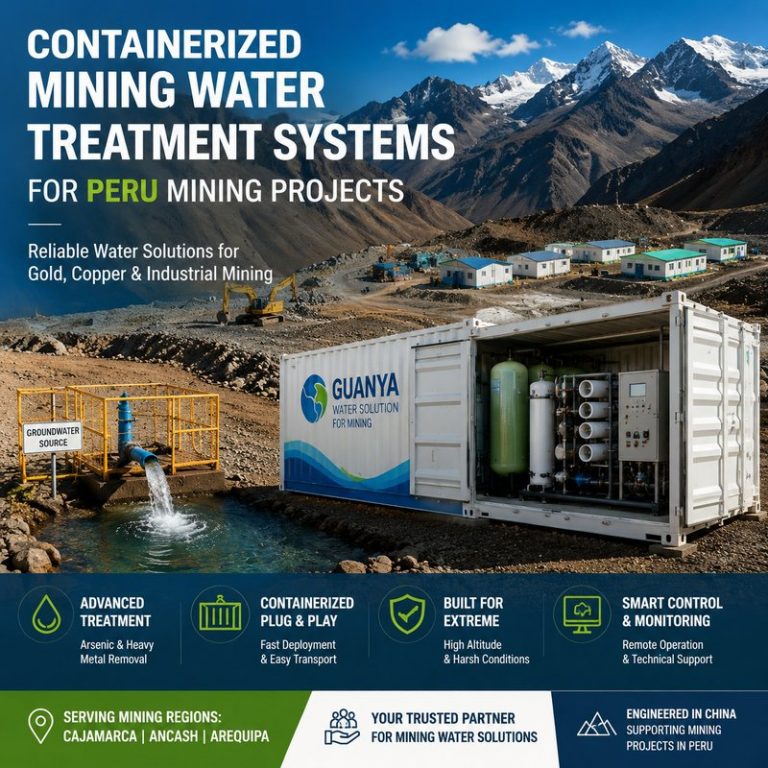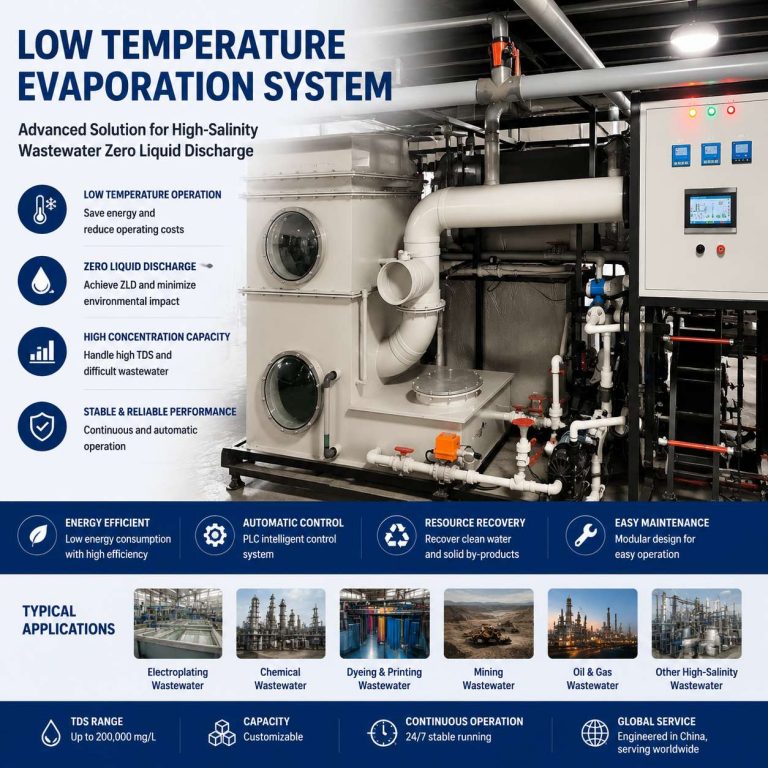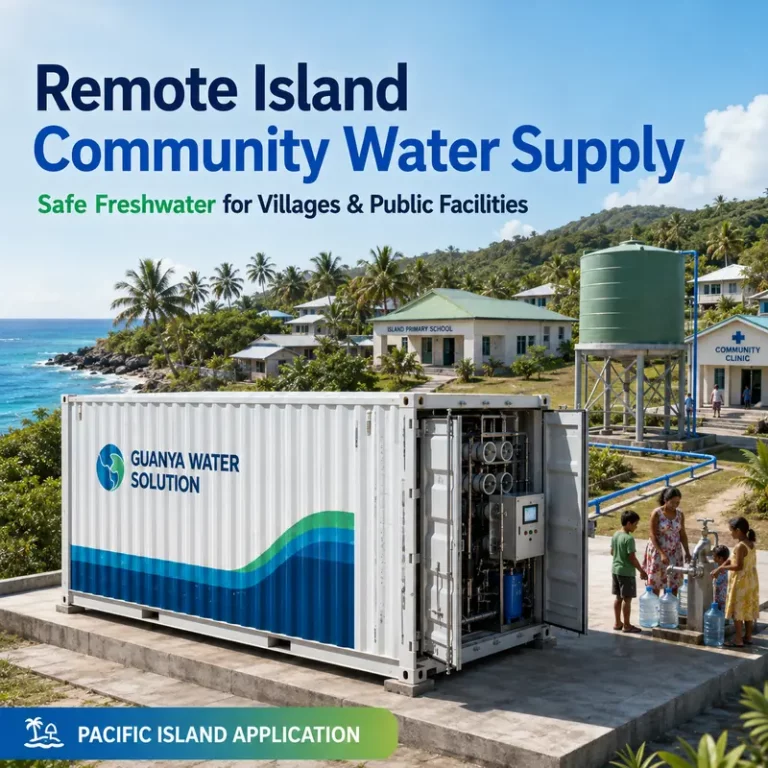
Island resorts, data centers, mines and oil and gas operations all need water treatment, but their operating conditions can be very different. A useful solution must fit the water source and the required output while also accounting for transport, available power, site infrastructure and the people who will operate the equipment.
At GUANYA WATER SOLUTION, our engineering approach connects these requirements from the beginning. We design and manufacture modular and containerized equipment with the aim of making each project understandable, practical to deploy and manageable in operation.
Start with the source water and the intended use
Seawater, brackish groundwater, industrial wastewater and oilfield water do not present the same treatment challenges. We review the available water analysis, expected variations, required flow and product-water target before developing a process. Where the available information is insufficient, further sampling or testing may be needed before final equipment selection.
The purpose of the design is to address the actual risks while selecting a suitable level of treatment, capacity and redundancy for the project. Final performance depends on the approved design basis, operating conditions and the agreed project scope.
Design around the site as well as the process
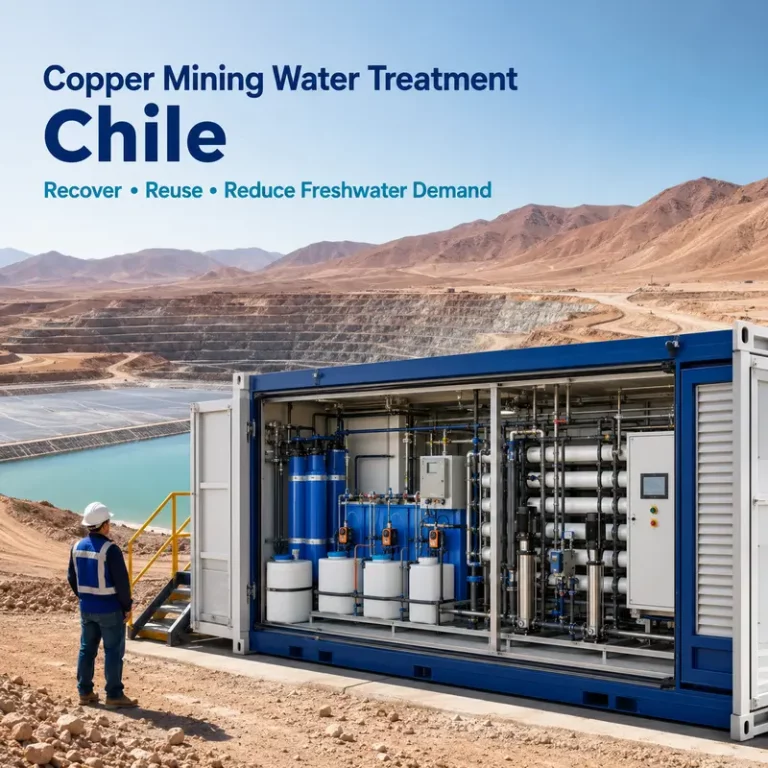
A remote island may have limited lifting capacity and expensive electricity. A mine may have difficult road access, altitude or freezing conditions. A data center may need a clear maintenance and expansion strategy. Oil and gas facilities may need to manage variable water quality and specific requirements for reuse or reinjection.
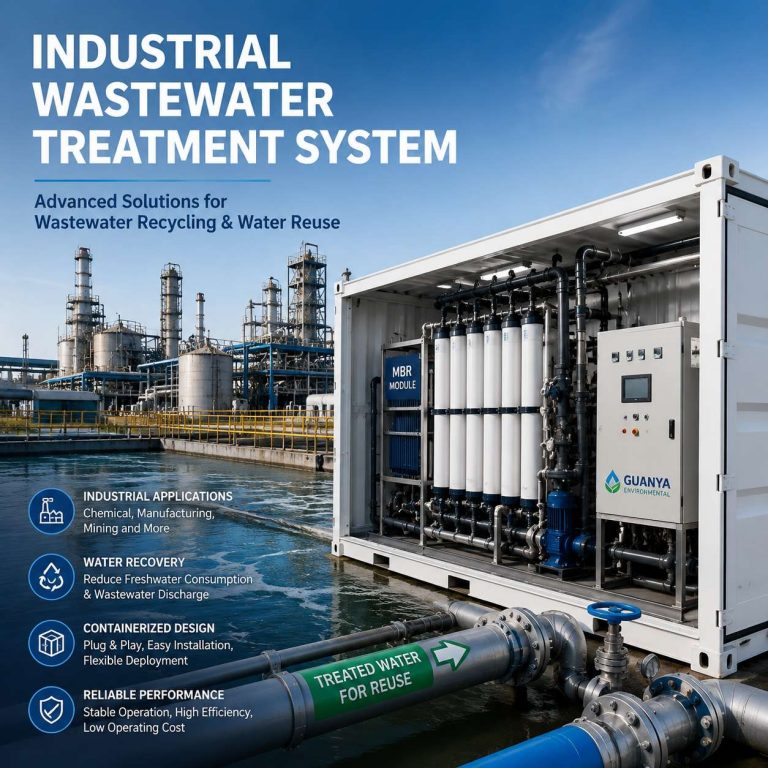
Containerized and skid-mounted modules can reduce the amount of assembly required on site. Equipment can be organized around transport limits, available space and a phased project schedule. Foundations or hardstanding, intake and discharge arrangements, utilities, permits and safe maintenance access still need to be addressed for each site.
For a design-stage illustration of these considerations, see our coastal AI data-center cooling-water concept.
Plan capacity, maintenance and future growth
Designing for reliability requires more than specifying an hourly production rate. The team should consider demand patterns, operating hours, cleaning cycles, storage, critical components and the effect of maintenance or equipment outages. Parallel trains or standby equipment may be appropriate when justified by the required service level.
Phased expansion can also be considered early. Additional modules can be evaluated alongside the capacity of the source, electrical supply, storage, discharge and distribution infrastructure. The final arrangement depends on project requirements and a comparison of investment and operating costs.
Integrate and test equipment before delivery
GUANYA combines engineering, equipment manufacturing and factory integration. Depending on the project agreement, pre-shipment activities can include inspections, electrical and control checks, functional testing and factory acceptance testing (FAT).
The FAT plan should identify which tests are included, the test medium and operating conditions, and the records to be provided. Site installation, commissioning and final verification remain important steps after delivery.
Make the design clear to the project team
Owners, engineering contractors and operators need different levels of detail. Depending on the scope, documents can include process flow diagrams, general arrangement drawings, equipment lists and interface information. Where appropriate, 3D visualizations or animations can help teams discuss equipment arrangement, water flow and maintenance access.
Visualizations explain the proposed arrangement; they do not replace approved engineering drawings or site verification. Final documents and services are agreed for each project.
Consider operating requirements from day one
Energy, chemicals, membrane and filter replacements, cleaning, spare parts, operator time and waste handling can all affect the cost of producing water. We consider these factors alongside the initial equipment scope, using project-specific assumptions where estimates are available.
For an engineering discussion, share your water source, available analysis, required capacity, operating hours, site location, power supply and intended use. GUANYA can review the information and discuss a suitable treatment approach.