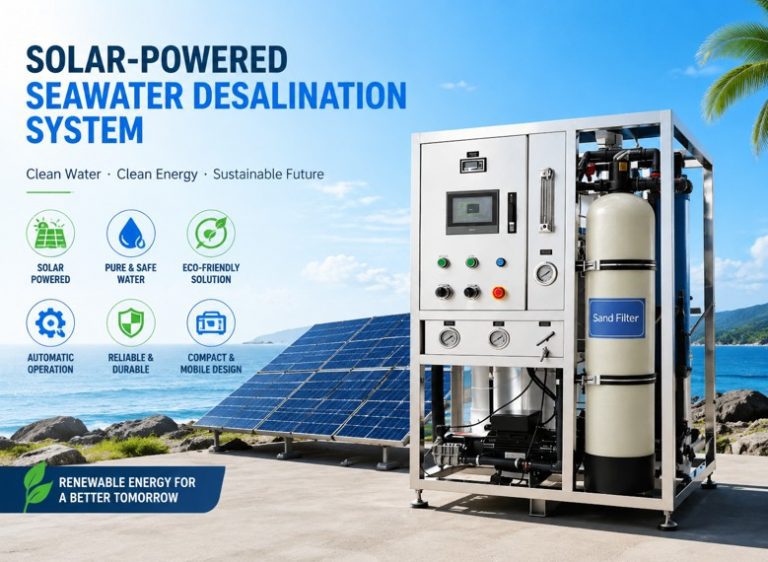
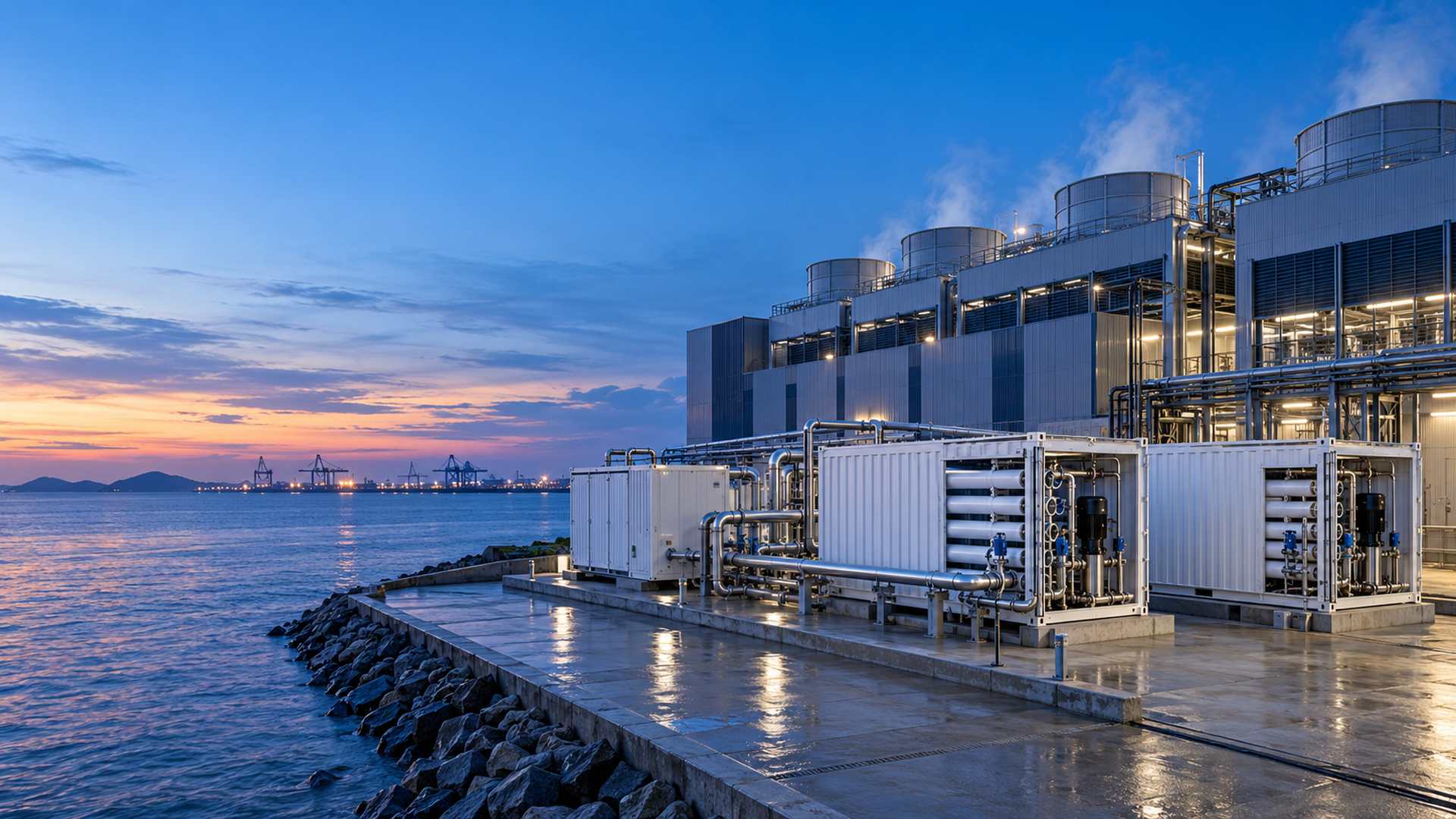
A containerized SWRO concept for reliable cooling-tower makeup water, rapid deployment and scalable coastal infrastructure.
Project Snapshot
| Application | AI data-center cooling-tower makeup water |
|---|---|
| System | Containerized modular SWRO (design-stage reference) |
| Capacity | 30 m³/h nominal product water (up to 720 m³/day) |
| Region | Coastal Asia |
| Key advantage | No permanent process building; factory-tested before shipment |
Executive Summary
AI data centers require dependable cooling-tower makeup water every hour of the day. In coastal locations, seawater can become a strategic alternative source when municipal supply is constrained, unreliable or expensive to expand. This design-stage case study outlines how an AI data-center project in Asia can use a containerized seawater desalination system to create a resilient, modular water supply without waiting for a conventional permanent water-treatment building.
The concept is built around modular desalination, integrated pretreatment and factory acceptance testing. Rather than treating civil works as a prerequisite, the main process equipment is packaged in transportable containers and skids. This reduces site construction interfaces, shortens deployment time and supports future capacity expansion as computing load and cooling demand grow.
The Water Challenge for Coastal AI Data Centers
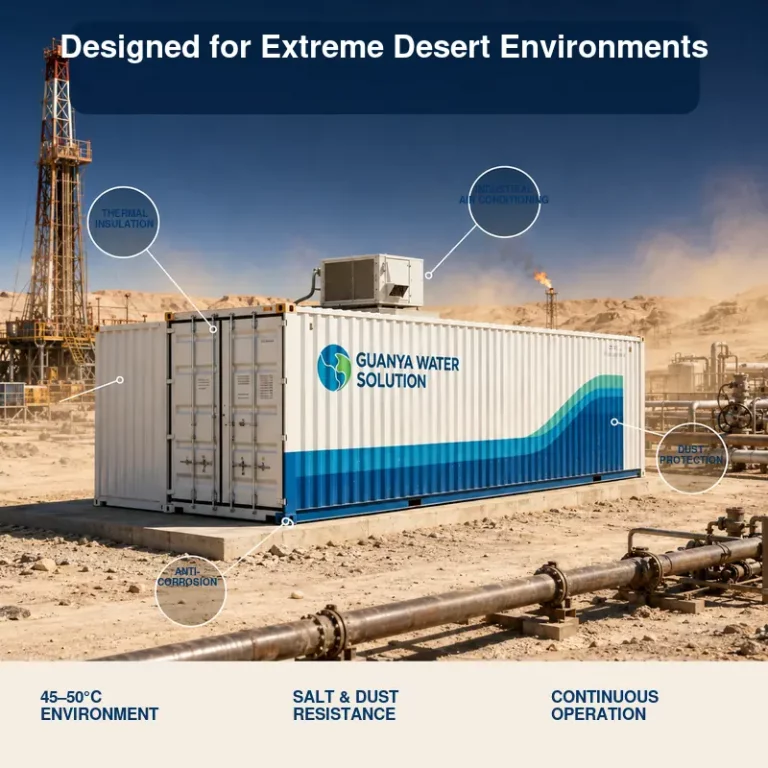
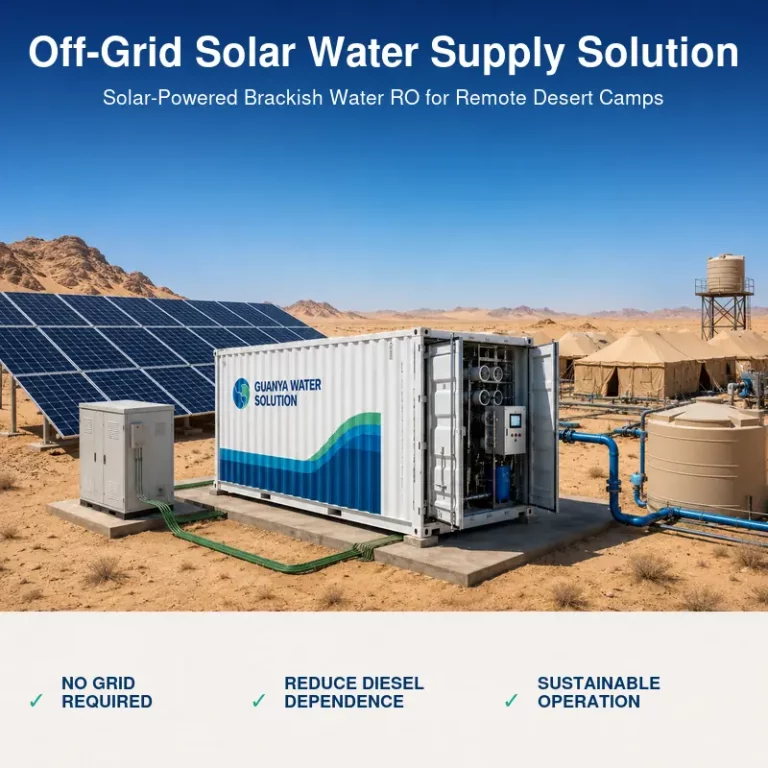
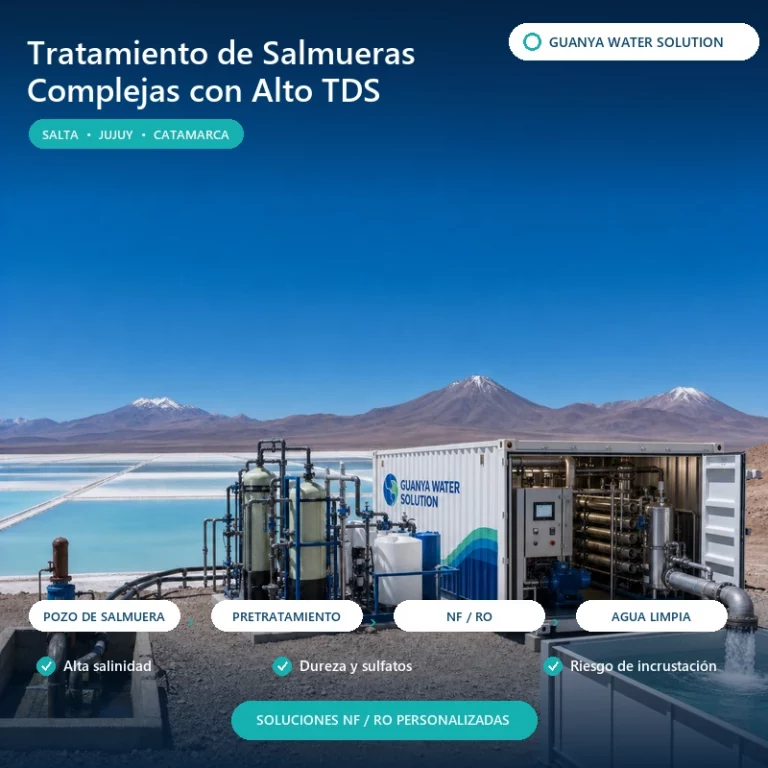
Cooling towers consume water through evaporation, blowdown and maintenance losses. A new data center may therefore need a stable source of makeup water that does not depend on a single municipal connection. In coastal industrial markets across Asia, this issue becomes more important where data-center campuses are expanding faster than local water infrastructure. For demanding coastal conditions, extreme climate containerized RO systems provide a resilient modular approach.
Raw seawater is abundant, but it cannot be sent directly to a cooling tower. Salts, suspended solids, marine biological activity and occasional hydrocarbon or oil contamination can create corrosion, scaling, fouling and microbiological-control risks. The water-treatment system must be designed around the actual intake condition, the cooling-tower chemistry program and the required water balance – not only around a nameplate RO capacity.
Project Design Basis
For this reference case, the initial design direction is a nominal 30 m³/h SWRO production module for cooling-tower makeup water. The final net output, intake flow, recovery rate and pretreatment configuration remain subject to seawater sampling, seasonal water-quality review and the cooling-system water specification. At 30 m³/h, the plant can provide up to 720 m³/day of RO product water before allowing for operating strategy, storage and planned maintenance.
| Design Item | Reference Approach | Why It Matters |
|---|---|---|
| Water use | Cooling-tower makeup water | Design targets follow the cooling-water chemistry program rather than potable-water assumptions. |
| Initial SWRO capacity | 30 m³/h nominal product water | Provides a modular starting point for a high-availability cooling-water strategy. |
| Plant form | Containerized process modules and external interconnection skids | Minimizes permanent building requirements and simplifies site execution. |
| Expansion path | Additional standardized SWRO modules in parallel | Allows capacity to track future IT load and cooling demand. |
| Control philosophy | PLC/HMI with alarms, interlocks and remote-support capability | Supports operational visibility and faster troubleshooting. |
Containerized SWRO Process Concept
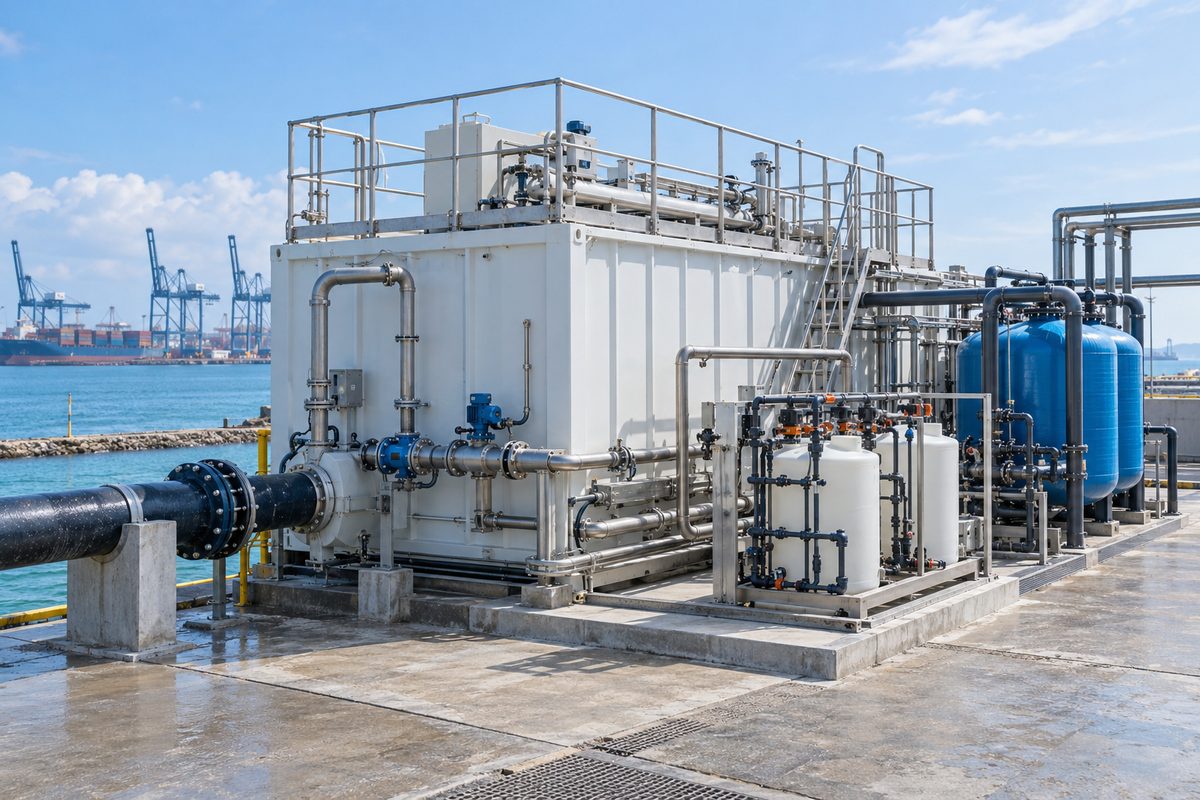
A robust design begins at the seawater intake and maintains protection through each downstream step. The proposed treatment philosophy combines pretreatment, fine filtration, reverse osmosis and post-treatment appropriate for cooling-tower use. The actual process train should be confirmed after raw-water testing and an intake-risk review.
- Seawater intake
- Pretreatment and oil-risk control
- Cartridge filtration
- SWRO desalination
- Product-water storage and tower distribution
For a coastal site close to vessel traffic or marine-industrial activity, the pretreatment design may include coagulation, dissolved air flotation or another oil-removal barrier before multimedia filtration. This is particularly important because free oil can irreversibly damage RO membranes. Where intake testing shows lower risk, the pretreatment train can be simplified. This modularity avoids paying for unnecessary process equipment while maintaining a defensible protection strategy.
Why a Containerized System Fits the Fast Track Data Center Schedule
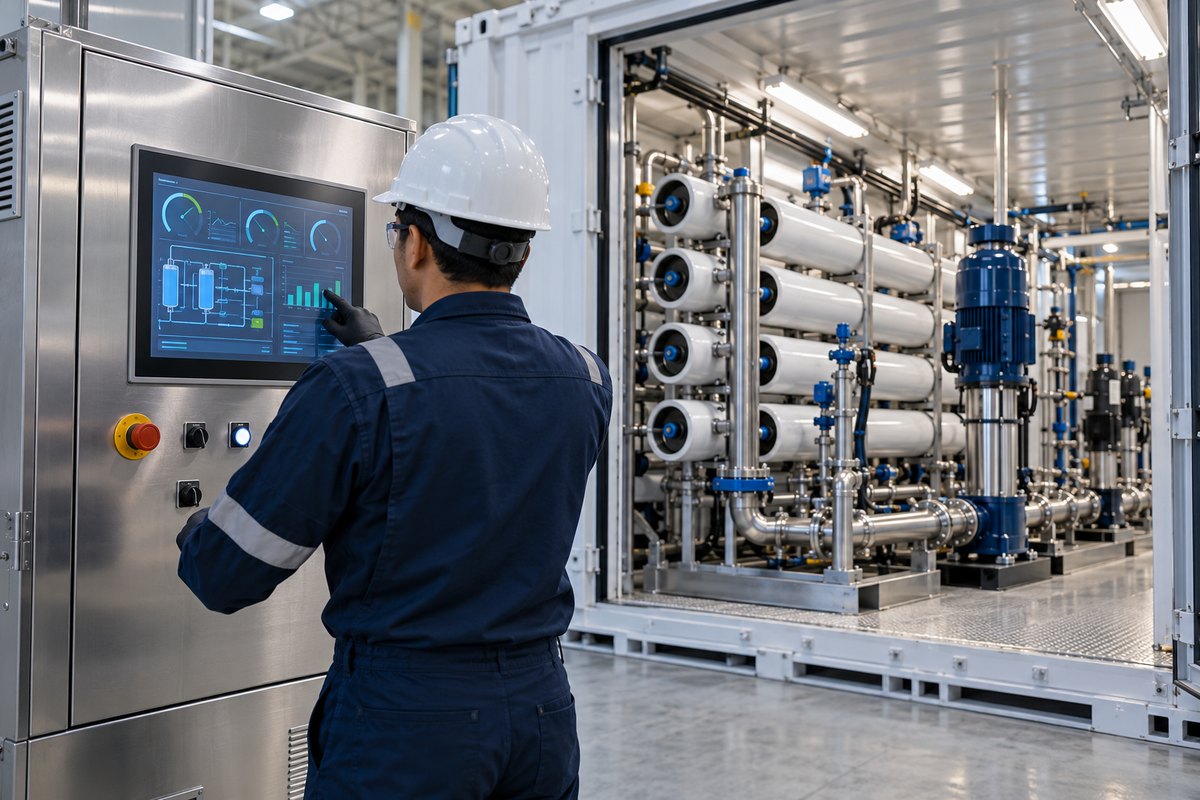
Conventional water-treatment projects often wait for a dedicated building, extensive structural work and sequential field installation. A containerized SWRO system changes the execution model. The major process components – pretreatment equipment, high-pressure pumping, membranes, chemical dosing, PLC controls and monitoring instruments – are integrated and assembled before delivery. The installation site primarily needs a prepared equipment foundation or hardstanding, utility connections, seawater intake interface, product-water tie-in and an approved concentrate-discharge arrangement.
- Reduced civil works: no permanent process building is required for the core treatment equipment.
- Faster site execution: factory assembly and functional testing reduce the amount of field piping, wiring and commissioning work.
- Predictable interfaces: the plant can be delivered with defined electrical, seawater, product-water and brine connections.
- Scalable growth: new containerized modules can be added in parallel without redesigning the initial plant.
- Factory acceptance testing: the integrated system can be checked before shipment, improving readiness for site commissioning.
Cooling Tower Water Quality and Operating Considerations
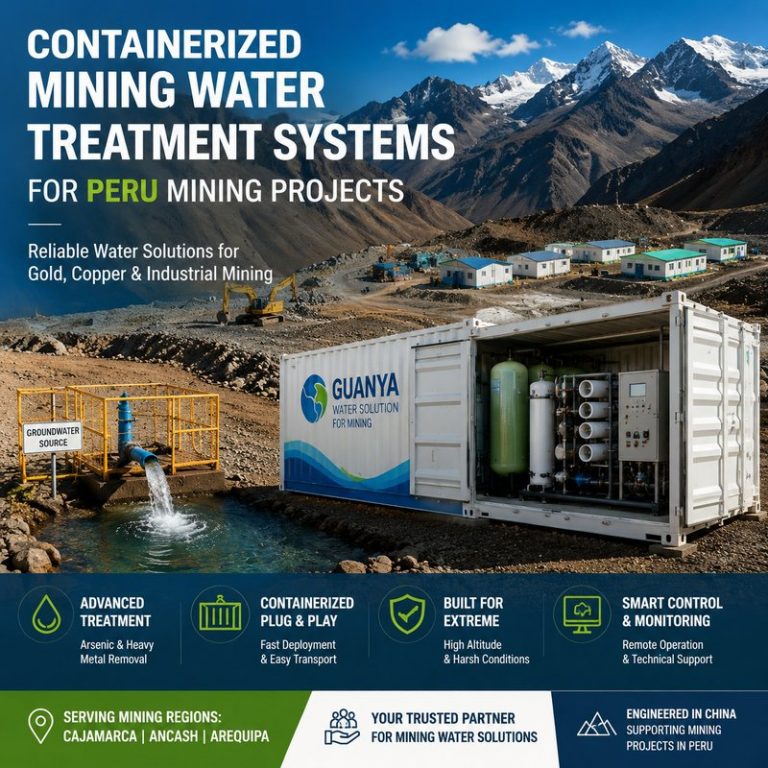
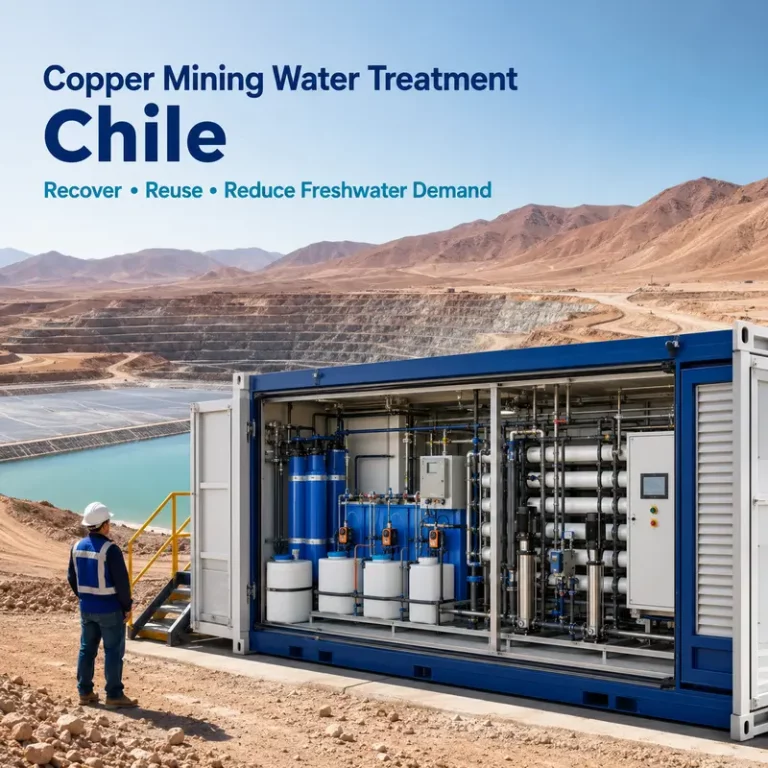
Lessons from mining brackish water treatment also show the value of matching water quality to equipment materials, chemistry and operating conditions.
An AI data-center cooling tower does not automatically require drinking-water-quality water. It requires makeup water that is compatible with the cooling-system metallurgy, cycles of concentration, corrosion-inhibitor program and discharge strategy. RO permeate gives the operator a low-salinity starting point. The final post-treatment can then be tailored through pH adjustment, mineral conditioning and chemical treatment according to the cooling-tower vendor requirements.
The operating design should also provide sufficient product-water storage and an appropriate redundancy strategy. Storage provides a buffer during membrane flushing, cleaning, planned maintenance or short-duration intake disruptions. For higher-criticality sites, duty/standby pumps, redundant instruments and parallel treatment trains should be evaluated during the final engineering phase.
Implementation Roadmap
| Step | Key Activity | Deliverable |
|---|---|---|
| 1. Confirm site data | Review cooling demand, intake arrangement, land availability, power supply and discharge route. | Design basis and interface list |
| 2. Test raw seawater | Analyze salinity, turbidity, suspended solids, temperature, pH, organics and oil-risk indicators. | Pretreatment and membrane design basis |
| 3. Freeze the module configuration | Define capacity, redundancy, materials, controls, storage and utility tie-ins. | Technical proposal and commercial scope |
| 4. Manufacture and FAT | Assemble, inspect, test and document the system before shipment. | Factory acceptance records |
| 5. Deliver and commission | Connect utilities, validate water quality and optimize operation with the site team. | Commissioned operating configuration |
Frequently Asked Questions
Can a cooling tower use water produced by seawater RO?
Yes. RO product water can be a suitable starting point for cooling-tower makeup water when final conditioning is aligned with the cooling-system chemistry and materials of construction. The final target should be confirmed with the data-center and cooling-tower engineering teams.
How quickly can a containerized SWRO plant be deployed?
A containerized approach reduces on-site installation scope because major process equipment is assembled before shipment. Actual lead time depends on capacity, materials, controls, intake works, shipping, approvals and site readiness. Guanya confirms the project schedule after the final technical scope is agreed.
Does a containerized desalination system eliminate all civil works?
It substantially reduces permanent building work for the treatment plant, but the project still needs suitable foundations or hardstanding, intake and discharge interfaces, tanks, utility connections and safe access for operation and maintenance.
Can the plant be expanded after the data center grows?
Yes. A modular layout is designed so that additional standardized SWRO modules can be added in parallel after demand, intake infrastructure and distribution capacity are confirmed.
For coastal AI data centers in Asia, a containerized SWRO plant can create an independent, scalable source of cooling-tower makeup water while reducing the time and civil-work burden associated with a conventional treatment building. The right solution begins with seawater sampling and cooling-water design data, then combines modular process engineering, factory testing and clearly defined site interfaces. Guanya can develop the system from feasibility review through equipment supply, factory acceptance testing and commissioning support.
Talk to Our Engineers About Your Cooling Water Supply
Planning a coastal AI data center or industrial campus in Asia?
Guanya designs and manufactures containerized seawater desalination systems from 50 to 1,000 m³/day, with factory acceptance testing before shipment and clear site interfaces for fast commissioning.
Send us your seawater analysis and cooling-water requirements — our engineers will review the intake conditions and propose a modular configuration matched to your IT load growth.
Request a Cooling Water Feasibility Review
Publication note: This is a design-stage reference case for website use. Final process configuration, performance and delivery schedule are subject to site survey, seawater analysis, applicable permits and signed technical agreement.