By GUANYA WATER SOLUTION
Most seawater reverse osmosis plants do not fail suddenly. They decline quietly for years — a little less water here, a small leak there — until the owner faces a real decision: keep patching, modernize key parts, or replace the plant. This guide gives a practical, engineering-based framework for that decision.
Quick answer
Repair when the structure is sound and only consumables are exhausted. Retrofit when pretreatment, monitoring and cleaning are the weak links — this is where the highest performance-per-dollar gains usually sit. Replace when structure, layout, support and reliability are all exhausted, and lifecycle risk outweighs equipment price.
How aging plants actually decline
- Output drifts downward year by year. Owners often blame the membranes, but unstable pretreatment is frequently the root cause — and new membranes in a dirty system age fast again.
- Leak points multiply at field-made joints, especially in corrosive salt-air environments.
- Corrosion advances on open frames, pumps, vessels and fasteners; repainting becomes a permanent operating cost.
- Spare parts from mixed-brand, multi-supply scopes become harder to source every year; some components are discontinued entirely.
- Without monitoring data, early warnings go unnoticed until production actually stops.
- Recovery rate quietly falls 5-10 percentage points below design, meaning more feed water and energy per cubic meter produced.
Upgrade path 1: Repair — membranes and consumables
Replacing membranes, cartridges and filter media restores production quickly and at the lowest upfront cost. Choose repair when: the intake and pretreatment are fundamentally sound, the plant structure and layout are still good, water demand has not grown, and the control system is still serviceable. Accept that the underlying risks — joints, corrosion, support — remain unchanged.
Upgrade path 2: Partial retrofit — the performance optimization sweet spot
Retrofitting targets the systems that cause silent decline. Typical measures and their measurable effects:
- Pretreatment upgrade (media, cartridge filtration, correct dosing): membranes last 1.5-2x longer; this is the cheapest capacity increase available — recovering water you were already paying to pump.
- CIP cleaning capability: systematic cleaning restores recovery rate toward design values instead of accepting the slow slide.
- PLC/HMI plus remote monitoring: pressure, flow and conductivity trends convert surprise failures into scheduled maintenance.
- Pump and instrumentation standardization: spare parts become local, cheap and fast to source.
- Anti-corrosion measures: coatings, material upgrades on critical items, and sheltering of exposed electronics.
Upgrade path 3: Full replacement — the factory-integrated containerized plant
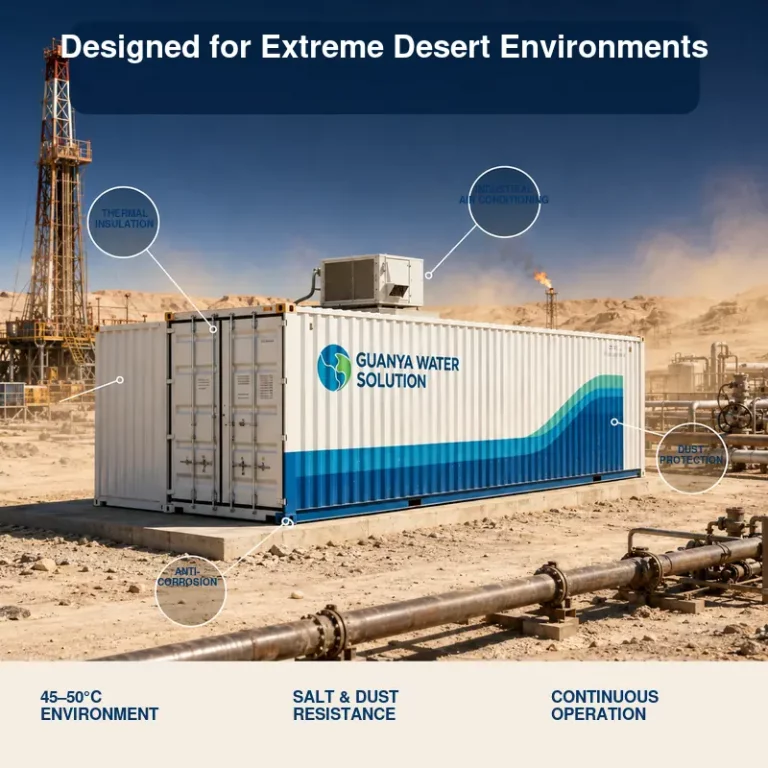
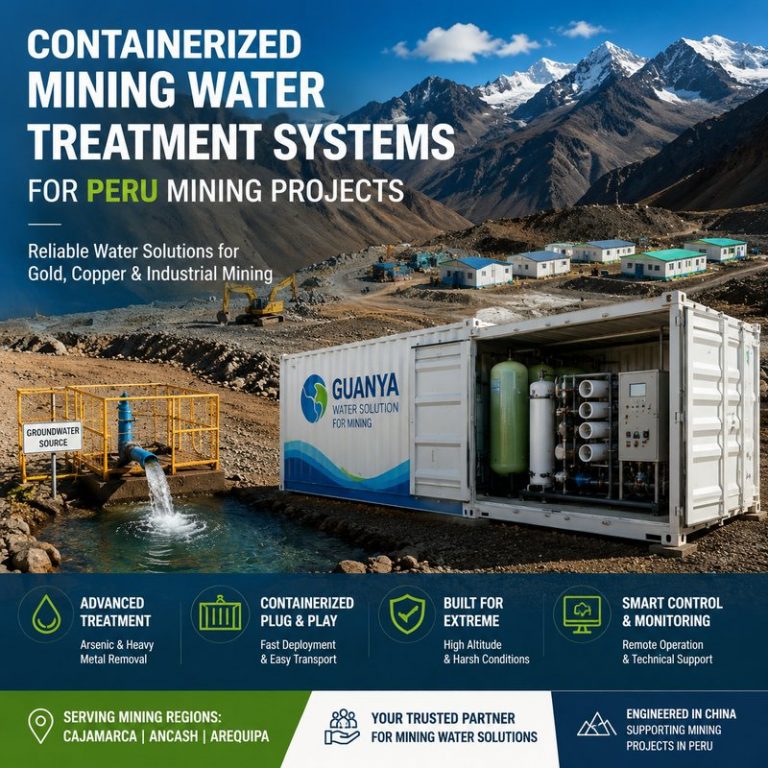
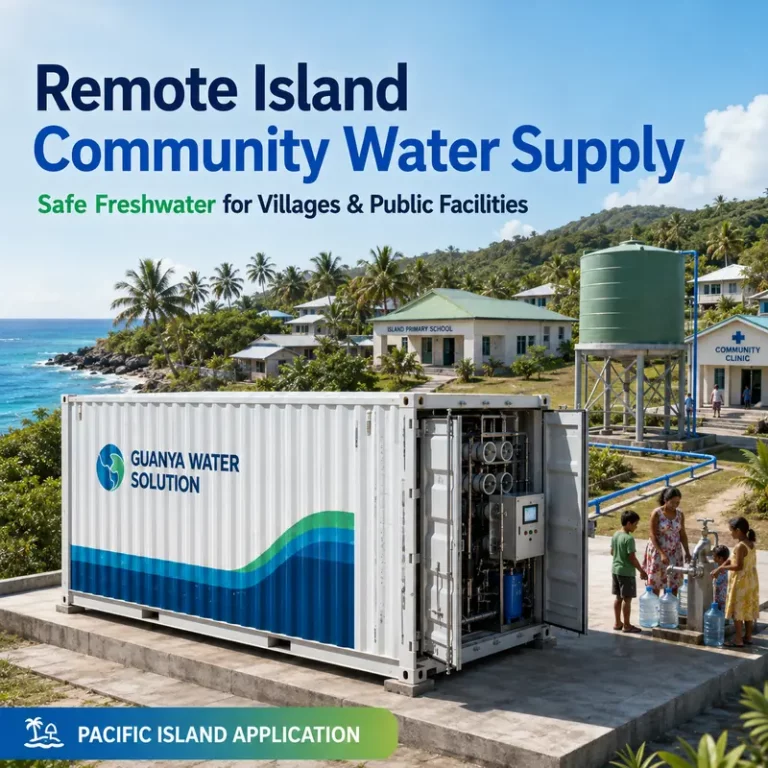
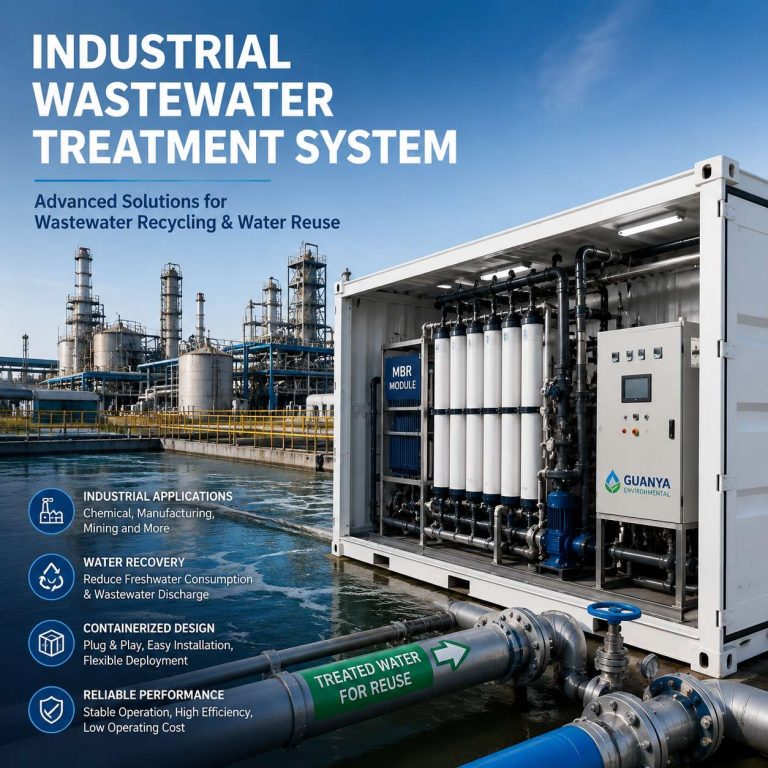
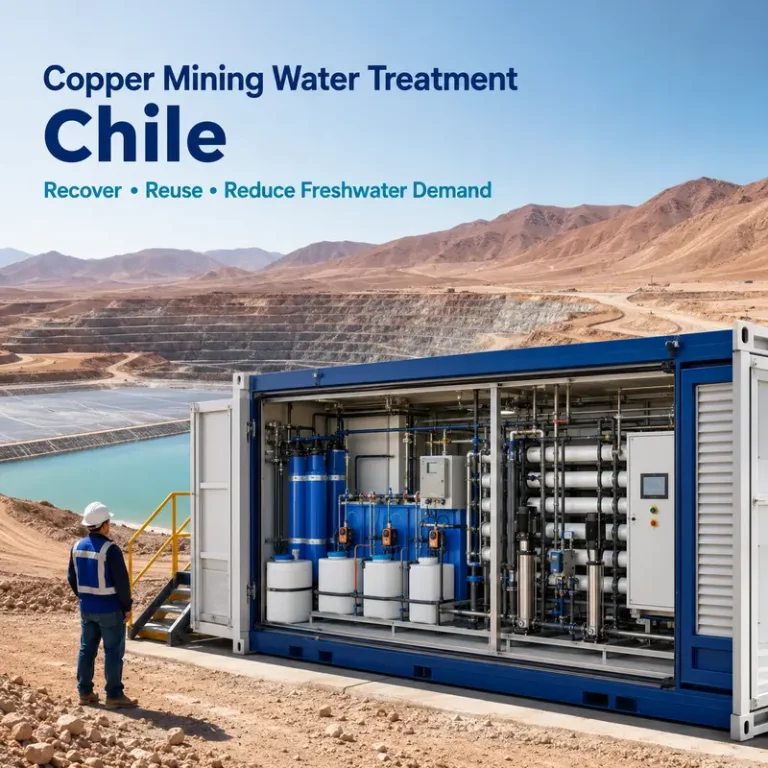
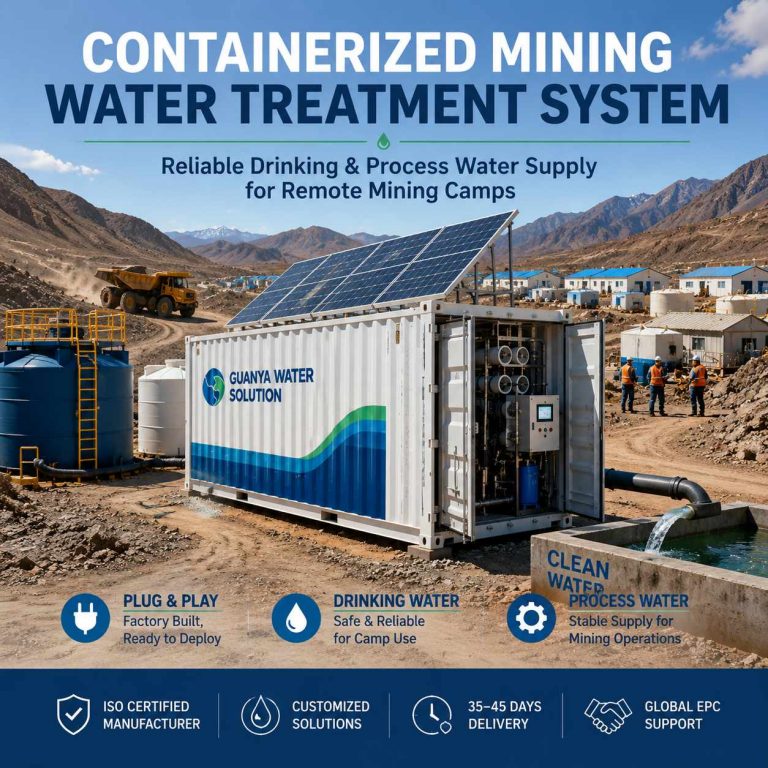
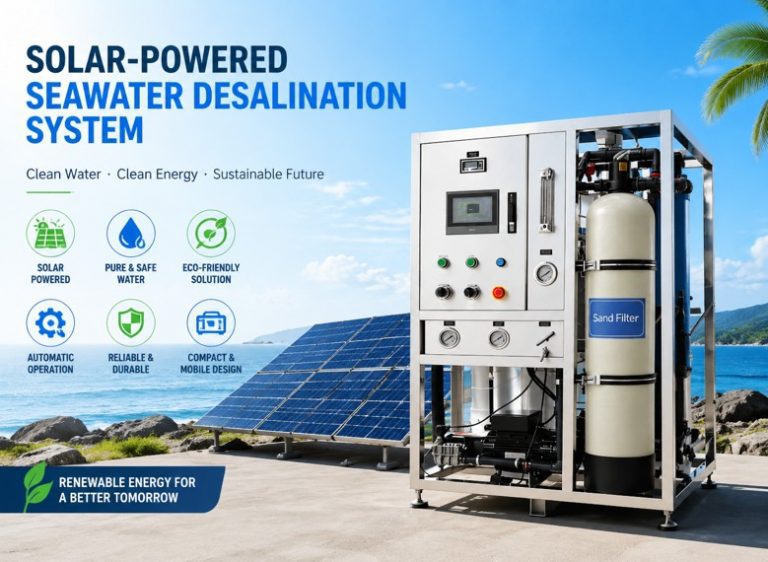
When structure, layout and support are exhausted, replacement buys a different class of asset. A factory-integrated containerized SWRO plant arrives with assembly, piping, wiring and controls completed and FAT-tested before shipment: documented flow and conductivity records instead of promises. One sealed container replaces dozens of crates; one lift puts it in place; field joints drop by roughly half or more. The plant is designed as a transportable, documented system — an asset that can move when your project moves.
A practical 5-step evaluation process
- Collect real operating data: seasonal feed water quality, actual production, permeate conductivity, pressure, recovery, energy use, cleaning frequency, membrane age, leak history.
- Inspect physically: intake, pressure vessels, high-pressure piping, pumps, electrical panels, sensors, tanks and brine discharge.
- Define water demand for the next 10-15 years, not the past 5.
- Compare three scopes on the same boundary: repair only, partial retrofit, full replacement — including freight, downtime and lifecycle maintenance.
- Choose the lowest acceptable lifecycle risk, not the lowest purchase price.
The economics most owners miss
Compare against future cost, not the original invoice. A plant that loses 5% of production per year, needs repeated leak repairs and consumes spare parts from three continents is spending the price difference every two or three years — while carrying the risk of unplanned downtime on a site with no alternative water source.
Frequently Asked Questions
How do I know if my membranes are the problem?
Trend normalized permeate flow and differential pressure. A steady flow decline with stable pressure suggests fouling or aging membranes; a sudden change often points to pretreatment failure, leaks or instrument error. Cleaning history and feed water quality complete the picture.
Can monitoring really be added to an old plant?
Usually yes. Pressure transmitters, flow meters and conductivity cells are retrofit-friendly, and a modern PLC/HMI can be layered onto existing drives. The limitation is mechanical condition — monitoring a structurally exhausted plant only documents its decline faster.
Is retrofit always cheaper than replacement?
Up to a point. Retrofit wins when structure and layout are sound. Once corrosion, joint integrity and parts availability all fail together, each retrofit dollar buys less reliability — that is the replacement threshold.
How long does a retrofit take compared to replacement?
A well-planned retrofit typically runs days to a few weeks on site. A containerized replacement runs 30-45 days in the factory and days on site — because commissioning risk moved to the factory.
What data do I need to start the evaluation?
At minimum: feed water analysis, production records, energy consumption, membrane and consumable history, and photos of the plant room. With these, a competent supplier can propose options within days.
How GUANYA supports upgrade decisions
GUANYA WATER SOLUTION evaluates aging desalination plants for island resorts, mining camps and industrial sites worldwide — from membrane replacement scopes to full containerized replacements with documented FAT. We deliver island-proven systems with remote monitoring, two-year spares packages and references including resort deliveries in Fiji and Southeast Asia.
Send your operating data and site photos for a preliminary upgrade assessment.
Technical References
- DuPont FilmTec RO and NF Technical Manual — membrane performance normalization and aging indicators.
- WHO, Safe drinking-water from desalination (2011) — water safety planning for desalination systems.
- AMTA/ABNM plant performance normalization guidelines — membrane system monitoring practice.