Reliable Engineering · Professional Manufacturing · Global Water Solutions
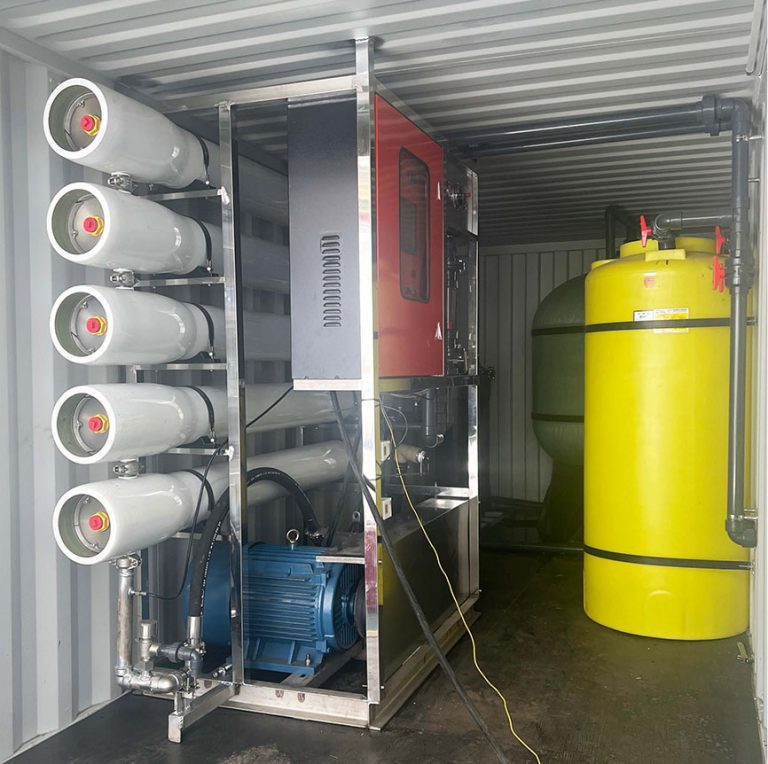
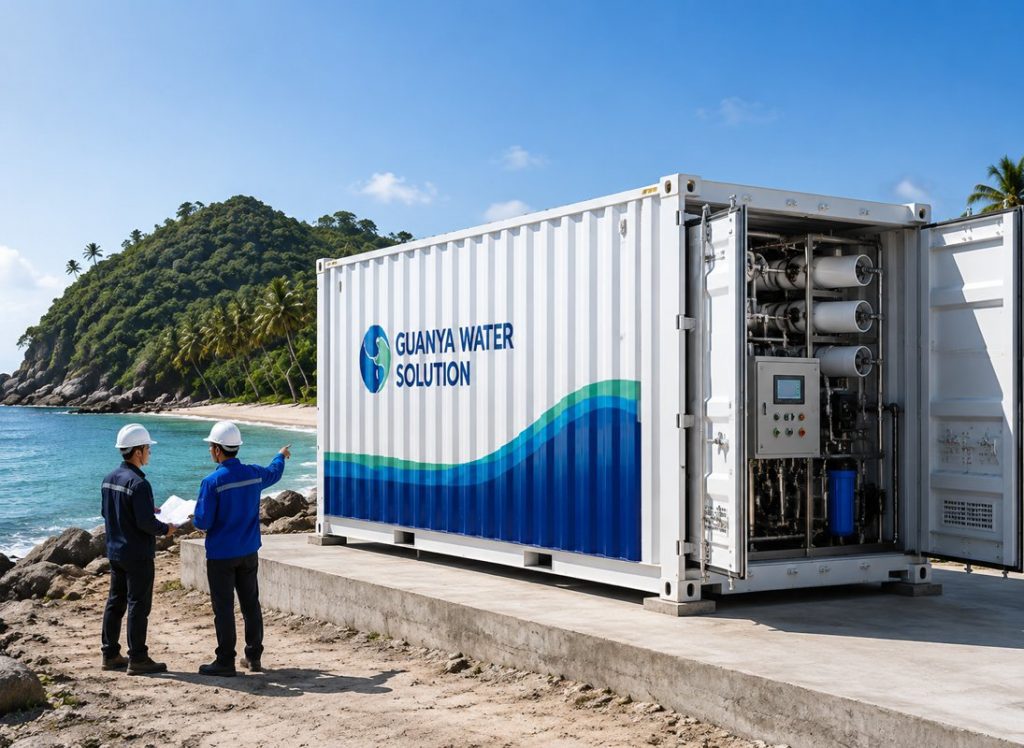
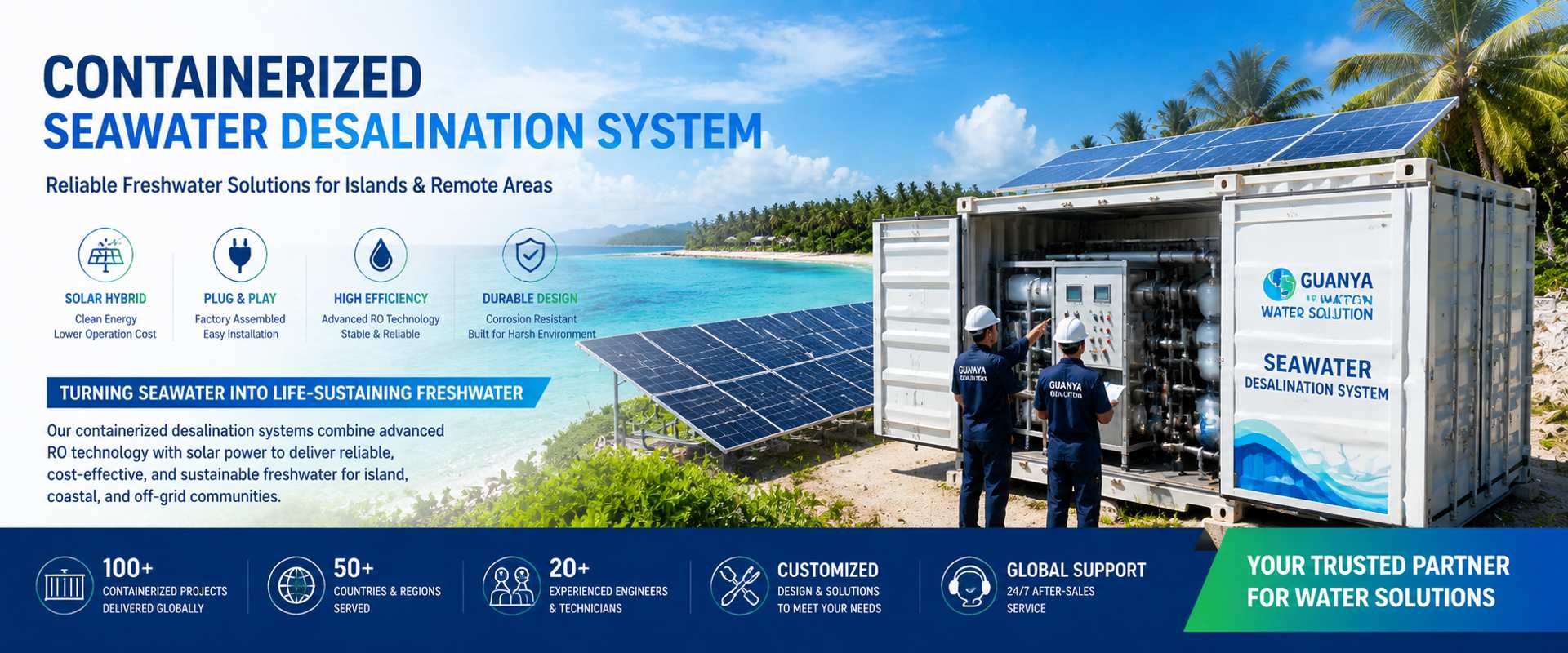
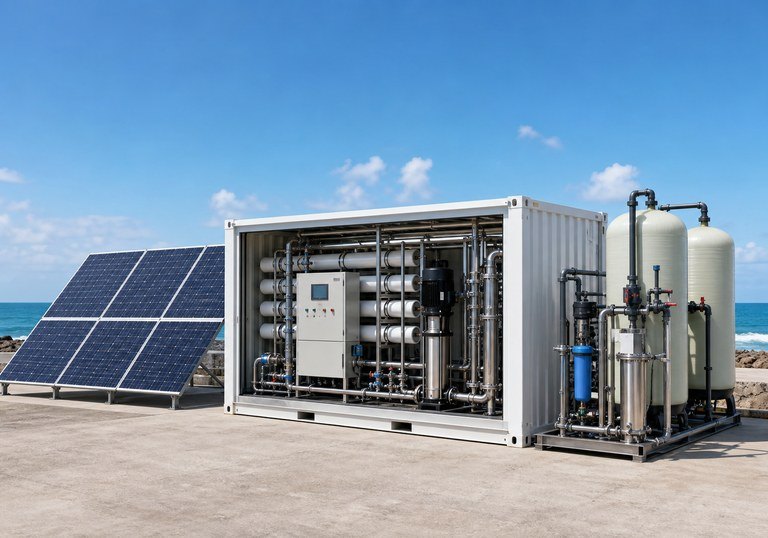
Guanya provides customized containerized seawater desalination systems with complete capabilities from engineering design, manufacturing, factory testing to global project support.
1. ISO Certified Manufacturer & Professional Engineering Team
With experienced engineers and international project experience, Guanya provides:
✔ Customized RO system design
✔ Process optimization
✔ Technical support
✔ Complete project solutions
2. China Manufacturing Advantage – Competitive Cost
Combining advanced Chinese manufacturing capabilities with international water treatment experience, Guanya delivers:
✔ High-quality desalination systems
✔ Reliable performance
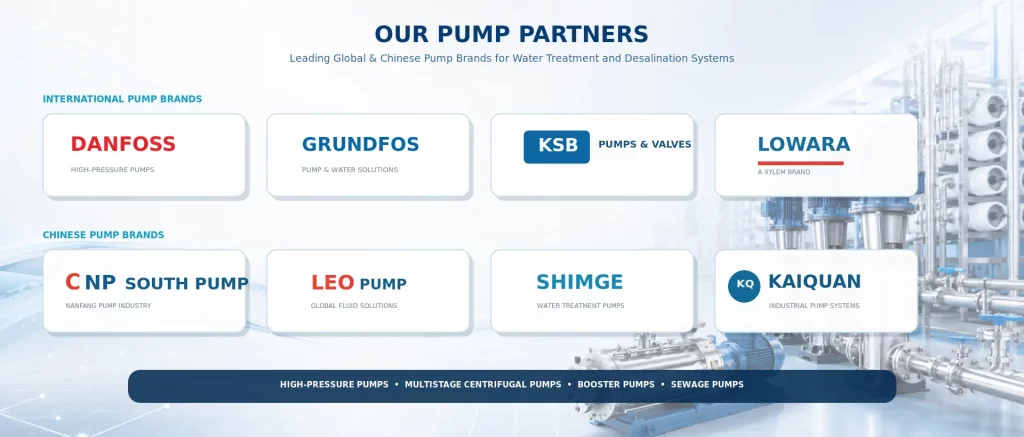
✔ 30–50% cost advantage compared with many international brands
Providing customers with better project value.
3. Complete Factory Assembly & Testing
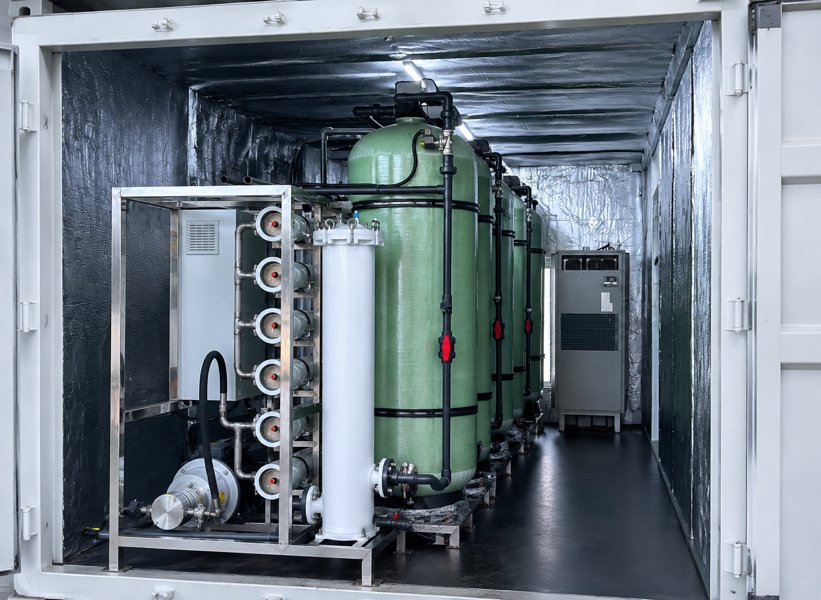
Every containerized RO desalination system is:
✔ Designed and manufactured in-house
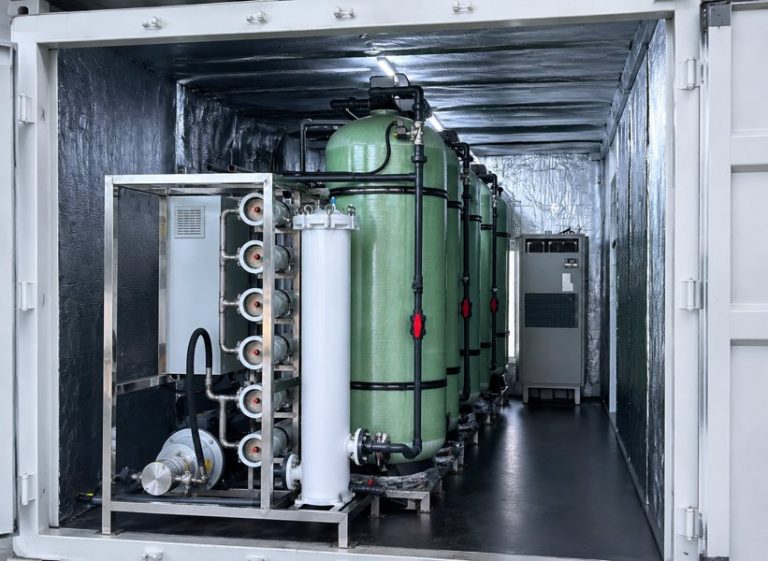
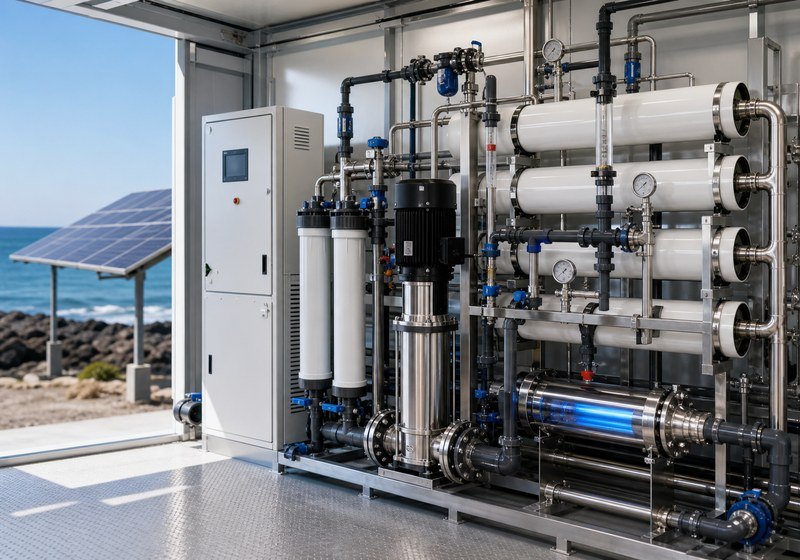
✔ Fully integrated before shipment
✔ Factory tested (FAT) before delivery
Customers receive a ready-to-deploy plug & play water treatment solution.
4. Fast Deployment & Customized Capacity
From design to delivery, Guanya provides rapid project execution:
✔ Typical delivery: 30–40 days
✔ Flexible capacity customization
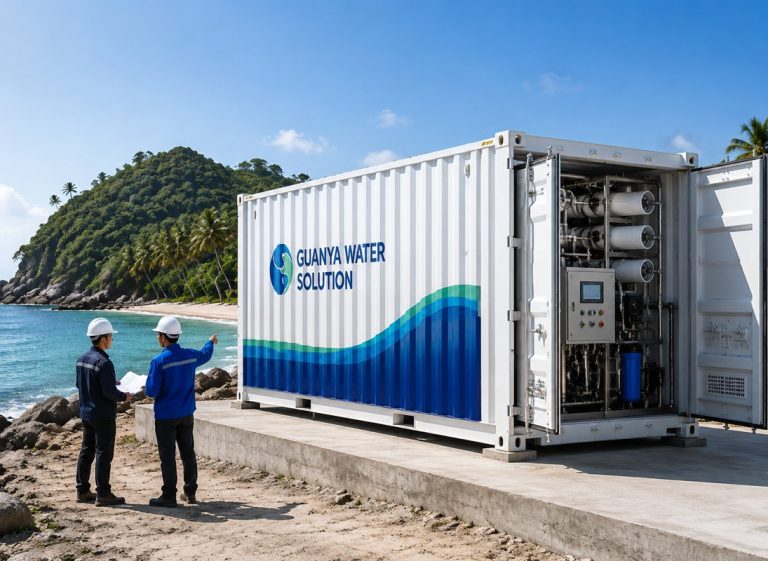
✔ Mobile containerized design for quick installation
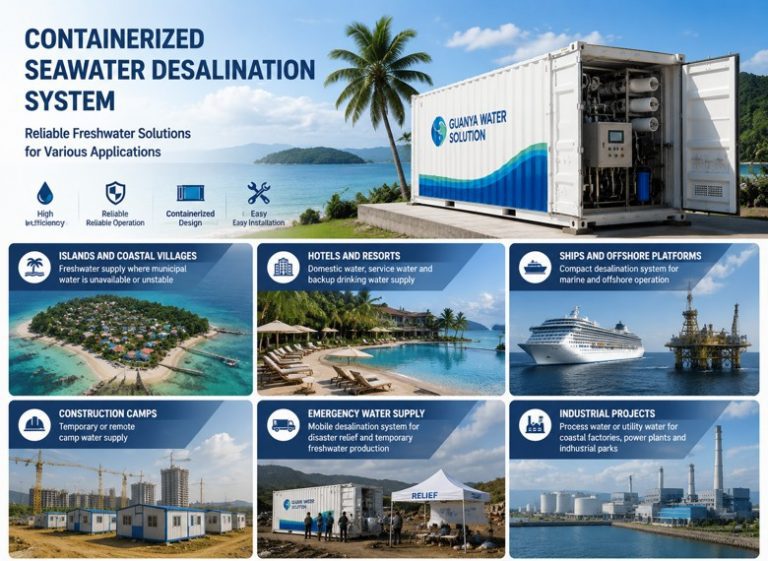
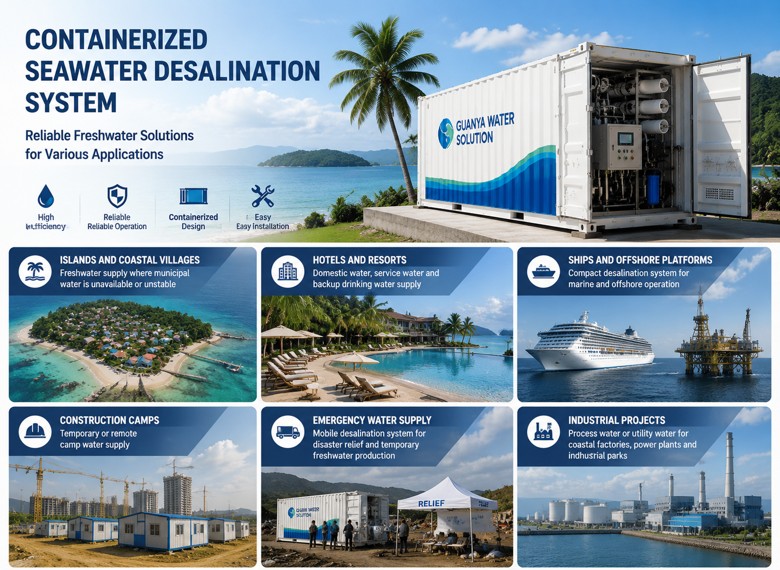
Suitable for islands, resorts, industries and remote areas.
5. Designed for Harsh Marine & Remote Environments
We provide customized solutions including:
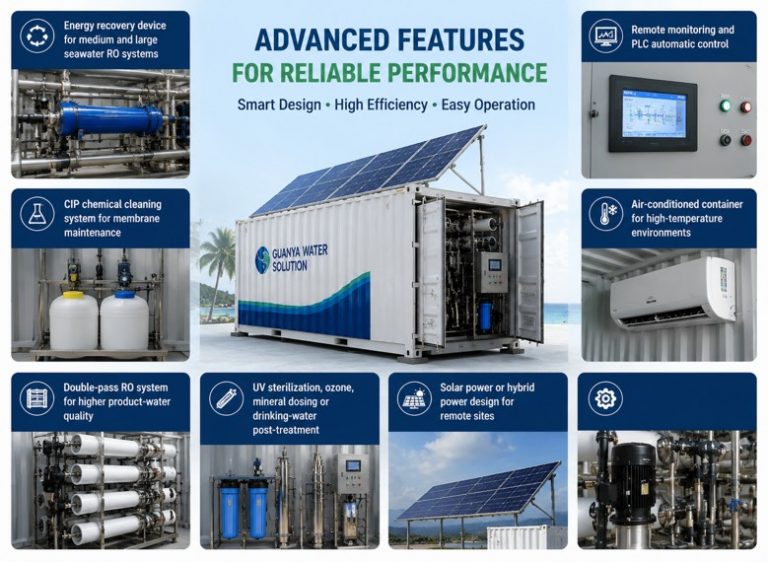
✔ Thermal insulation containers
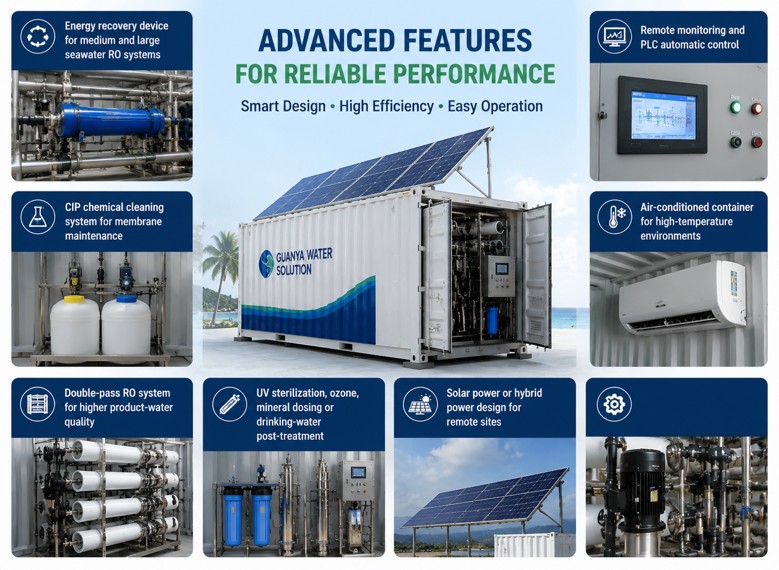
✔ Built-in industrial air conditioning
✔ Anti-corrosion design
✔ Stable operation in tropical and coastal environments
6. Solar Hybrid & Off-Grid Desalination Solutions
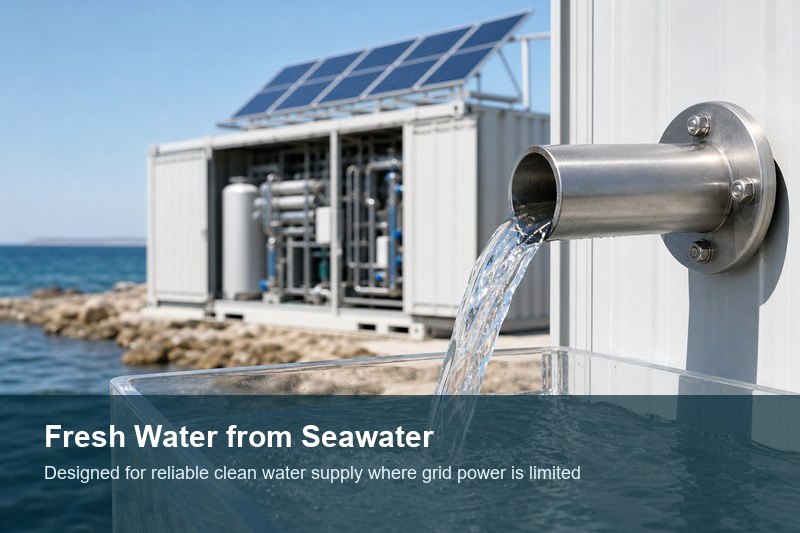
For remote locations without reliable power supply:
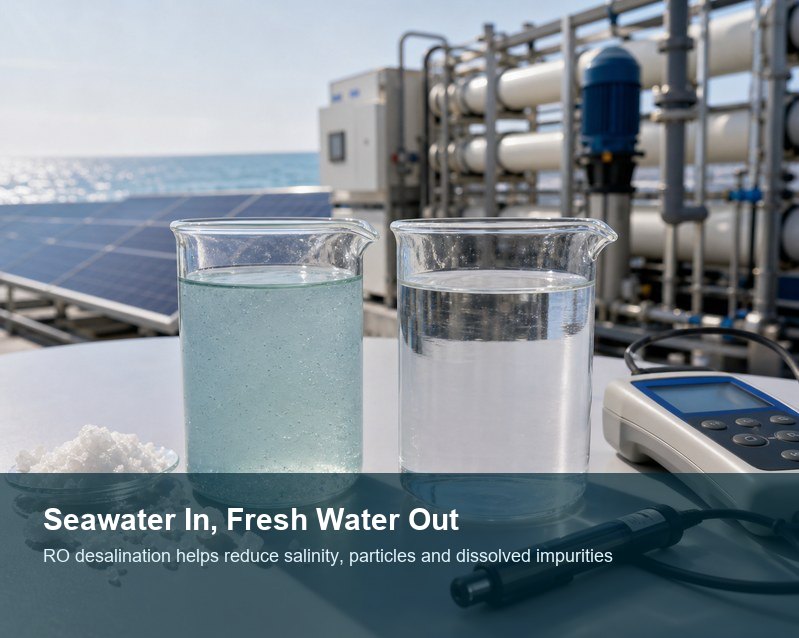
✔ Solar powered desalination system
✔ Hybrid energy solutions
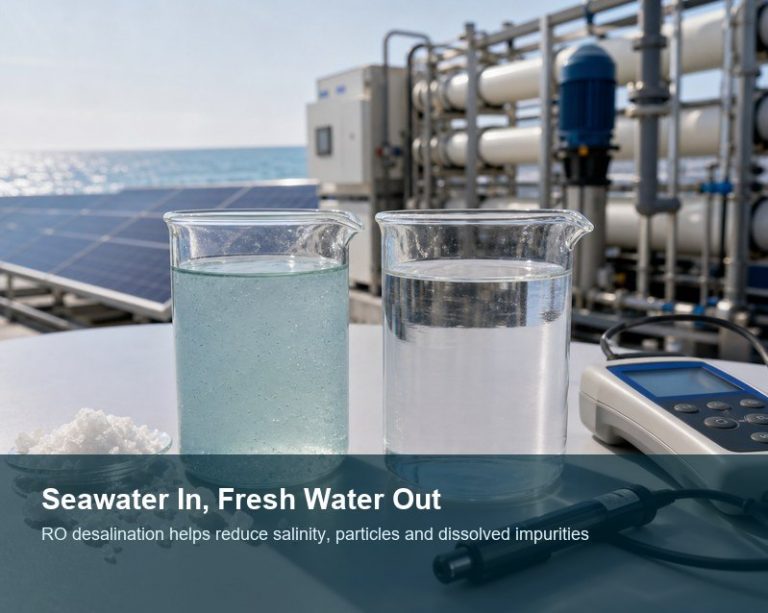
✔ Low-energy RO operation
Ideal for islands, coastal communities and off-grid projects.
7. Reliable Components & Complete EPC Support
With years of experience in RO system integration, Guanya selects reliable:
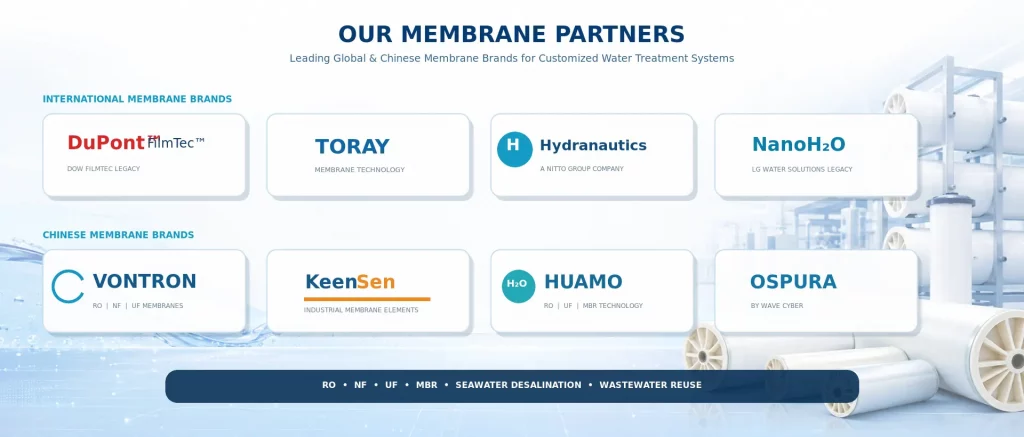
✔ RO membranes
✔ High-pressure pumps
✔ Electrical and control systems
Providing complete support from design → manufacturing → testing → delivery → technical service.
Mobile SWRO Selection and Relocation Questions
Which GY-SW model should I select?
Divide required daily production by planned daily operating hours to estimate average net hourly output, then allow for downtime, variability and reserve. Confirm the model against seawater analysis, temperature, required water quality and the published model table.
How quickly can a mobile SWRO plant be relocated and restarted?
Transport, lifting, intake preparation, power connections, membrane preservation and commissioning determine the schedule. Confirm the selected skid or container dimensions, weight, access and lifting plan; production within a fixed number of hours is not guaranteed.
How are container and mounting options selected?
Use the model table as a starting point, then confirm the final equipment envelope, pretreatment, access clearances, ventilation and transport restrictions. Container size and any trailer or skid mounting must be stated in the project proposal.
What power and water-quality conditions apply?
Check the selected model’s installed power and starting requirements, with allowances for auxiliary equipment. Confirm grid, generator or hybrid supply. Published rejection, product-water TDS and recovery values require agreed feed and operating conditions and do not alone establish drinking-water compliance.
Compare larger modular SWRO plants | Resort systems | Send project requirements for selection
Frequently Asked Questions
Which GY-SW model do I need?
Multiply your peak hourly demand by operating hours. As a guide: 0.3–1 m³/h suits boats and small camps; 3–10 m³/h suits resorts and villages; 15–30 m³/h suits municipalities and industrial sites. Send us your daily demand and we will match the model.
How quickly can a mobile plant be relocated and restarted?
Skid and trailer units load by forklift or crane onto standard trucks. After relocation, reconnect intake and power. Production can resume once intake, power, commissioning and any required storage are ready. This page does not promise a fixed restart time.
What container options are available?
Models up to 3 m³/h fit an optional 20ft container; 5–10 m³/h use a 20ft High Cube; 15–30 m³/h use a 40ft High Cube. All containers are marine-grade insulated with climate-control options.
What power supply does the plant require?
Installed power ranges from 5 kW (0.3 m³/h) to 184 kW (20 m³/h). Grid, diesel generator and solar-hybrid configurations are all supported.
For emergency / disaster relief, a fixed island resort installation, or larger modular plants, see the linked product pages.