Guanya Environmental

Electroplating Solution Recovery System With Low Temperature Evaporator

  • Low Energy Consumption – Low-temperature heat-pump circulation recovers thermal energy, requiring only electricity without natural gas or a steam boiler.
  • Valuable Metal Recovery – Concentrates gold, silver and other metal salts for plating-bath reuse or subsequent refining.
  • Water Recovery and Reuse – Condensate can be collected and tested for potential reuse in component rinsing or further treatment.
  • Reduced Hazardous Waste – Physical evaporation reduces wastewater volume and lowers external transport, treatment and disposal costs.
  • Automatic and Corrosion-Resistant – PLC control, built-in cleaning and PTFE/PPH/graphite components support reliable treatment of highly corrosive plating solutions.

Product Details

Product Details

Low-Temperature Electroplating Wastewater Recovery System

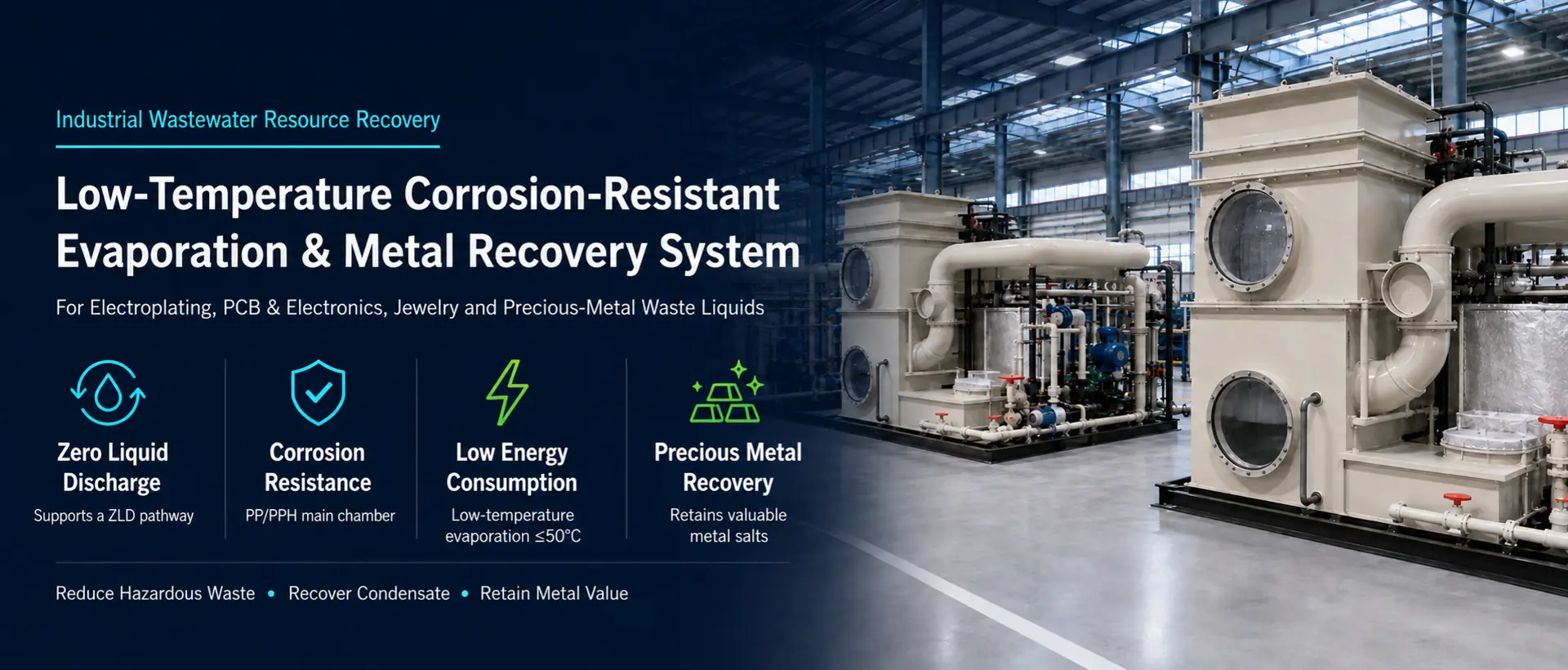
Guanya’s low-temperature evaporation system is designed for segregated, corrosive and metal-bearing wastewater from electroplating, PCB manufacturing, electronic components, jewelry processing and precision metal finishing.

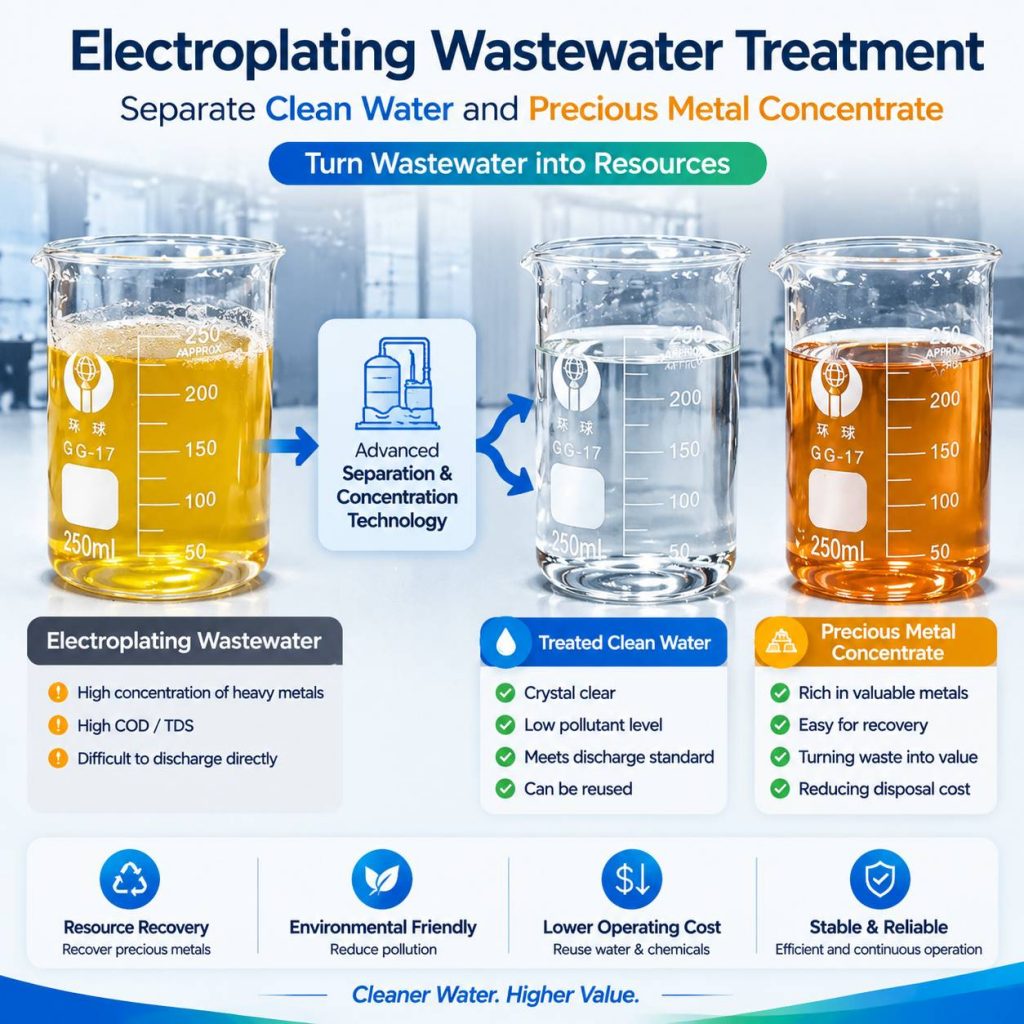
The system removes water from the selected wastewater stream at temperatures bellow 50°C. Water vapor is collected through the condensation unit, while dissolved metals, salts and compatible plating chemicals remain in a higher-concentration liquid.

After testing, the recovered condensate may be reused in a suitable rinsing process or sent to further polishing treatment. Depending on its composition, the concentrated solution may be returned to a compatible plating bath, treated by electrolytic metal recovery, delivered to a professional refiner or transferred to an approved final-treatment process.

If you are considering an RO unit, contact us for an economical water treatment solution today

What Is an Electroplating Wastewater Recovery System?

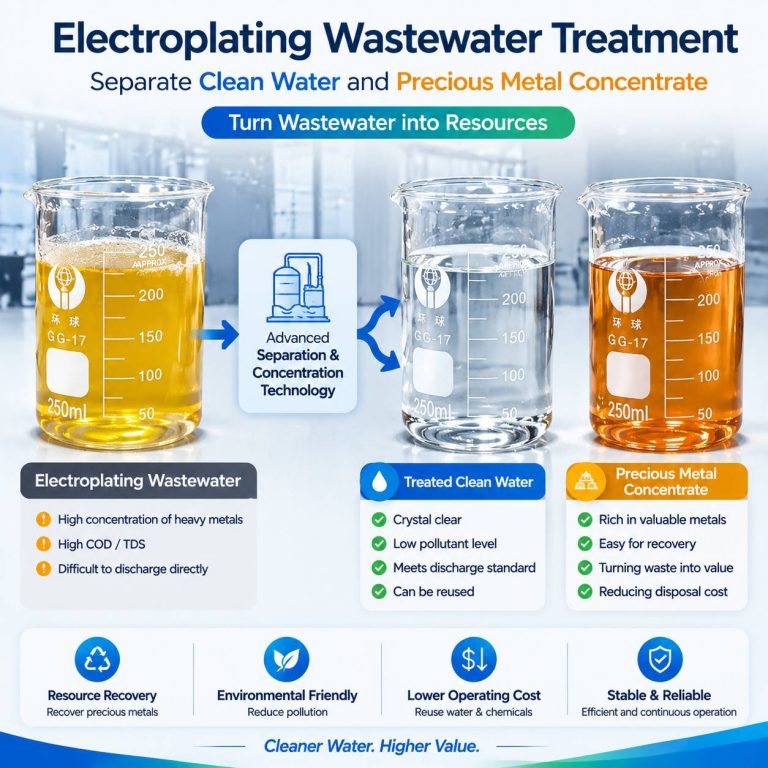
An electroplating wastewater recovery system separates water from selected plating liquids while retaining dissolved metals, salts and compatible process chemicals in a concentrated stream.

During electroplating production, valuable metals and plating chemicals may enter spent bath solutions, drag-out liquids and concentrated rinsing water. If these streams are mixed directly with general wastewater, their recovery value may be lost while the total treatment volume and disposal cost increase.

Guanya’s system uses low-temperature atmospheric evaporation to divide the wastewater into two manageable outputs:

Recovered condensate for testing, potential reuse or polishing treatment
Metal-enriched concentrate for bath return, electrolysis, professional refining or approved final treatment

Unlike high-temperature thermal evaporation, the process-liquid temperature is controlled at approximately 50°C or below. This reduces thermal exposure and can help preserve the recovery value of selected temperature-sensitive plating components.

The system concentrates dissolved metals by removing water. It does not directly produce refined elemental gold, silver, copper or other finished metals.

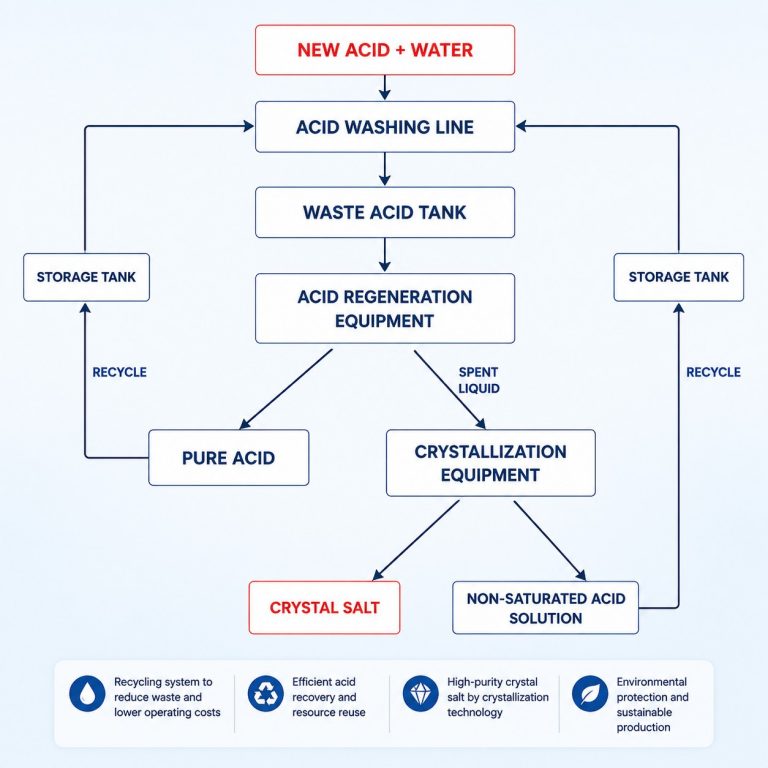
How the Electroplating Solution Recovery System Works

Guanya’s low-temperature evaporator separates excess water from electroplating solutions through a controlled atmospheric evaporation and condensation process. The system concentrates valuable metal salts and useful plating components while helping protect heat-sensitive additives.

1. Plating Solution Collection

Excess, diluted or spent plating solution is collected from the electroplating line and transferred into the evaporator’s circulation system.

2. Low-Temperature Atmospheric Evaporation

The plating solution circulates continuously while the operating temperature is maintained at approximately 50°C or below. Water is separated without high-temperature boiling or vacuum operation, helping reduce the loss of brighteners, activators and other sensitive additives.

3. Heat Recovery and Continuous Circulation

The integrated heat-pump system recovers thermal energy from the condensation process and returns it to the evaporation cycle. This reduces electricity consumption and supports stable, continuous operation.

4. Condensation and Water Recovery

Separated water vapor is cooled and condensed into recovered water. Depending on conductivity, COD, metal concentration and other quality indicators, the condensate may be reused for rinsing or sent for further treatment.

5. Metal Salt Concentration

As water is removed, gold, silver and other valuable metal salts remain in the plating solution at a higher concentration. The concentrated solution can be analyzed for return to the plating bath or transferred for subsequent precious-metal refining.

6. Automatic Control and Protection

The PLC-controlled system monitors temperature, liquid level and operating conditions. Automatic alarms, shutdown protection and optional remote monitoring support safe operation with reduced manual supervision.

Process Flow

Plating Solution Collection → Low-Temperature Evaporation → Water Separation → Condensation Recovery → Metal Salt Concentration → Reuse or Subsequent Refining

Processing Results
Concentrated precious-metal and metal-salt solution
Recovered condensate for testing and potential reuse
Reduced wastewater and hazardous-waste volume
Lower loss of valuable plating chemicals

The system concentrates metal salts by removing excess water; it does not directly produce refined elemental gold, silver or other metals.

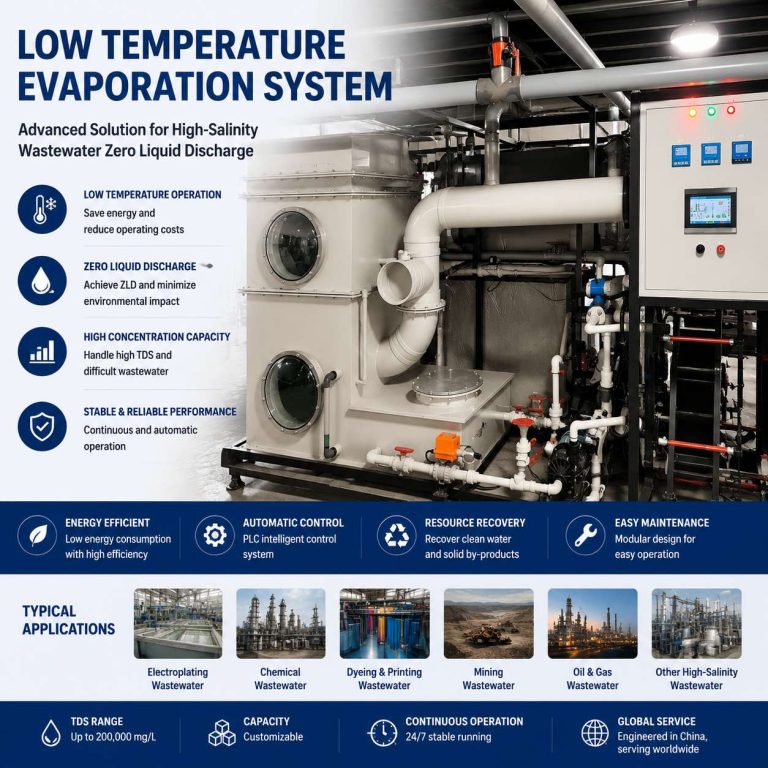
Lower Energy Consumption, Higher Resource Recovery

One system combines energy-efficient evaporation, valuable metal recovery and wastewater volume reduction.

1. Energy-Efficient Low-Temperature Evaporation

The system operates at atmospheric pressure and keeps the process liquid at approximately 50°C or below. An integrated heat-pump system recovers heat from the condensation process and continuously returns it to the evaporation cycle, reducing energy loss and overall electricity consumption. No natural gas, steam boiler or high-temperature heat source is required.

2. Metal Recovery and Wastewater Treatment in One System

As excess water is removed, gold, silver and other valuable metal salts are retained and concentrated in the plating solution for potential reuse or subsequent refining. At the same time, the system reduces wastewater volume and produces condensate that may be reused after water-quality testing, helping factories lower metal losses, freshwater consumption and hazardous-waste disposal costs.

Applications for Electroplating and Metal-Bearing Wastewater

Guanya’s low-temperature evaporation system is designed for concentrated plating solutions containing valuable metal salts and reusable process chemicals. It removes excess water while retaining metal salts in the concentrate, supporting plating-bath reuse, precious-metal recovery and wastewater-volume reduction. Final suitability depends on the bath chemistry, additives, impurities and recovery target.

Main Industries Served
Jewelry and watch manufacturing
PCB and electronics manufacturing
Semiconductor and precision-component production
Electrical connectors and conductive contacts
Automotive and motorcycle components
Aerospace and specialized engineering
Hardware and fastener manufacturing
Sanitary fittings and decorative metal products
General electroplating and metal-finishing factories

The system concentrates metal salts and plating components by removing excess water. It does not directly produce refined elemental metals; the concentrate may be reused after analysis or transferred to a subsequent refining process.

Three Core Economic Benefits for Electroplating Plants

Guanya’s low-temperature evaporation system converts excess plating solution from a disposal cost into a recoverable resource. By concentrating valuable metal salts, recovering condensate and reducing hazardous-waste volume, the system helps electroplating plants lower operating costs while improving water and material efficiency.

1. Recover Valuable Plating Chemicals

Excess or diluted plating solution is concentrated through low-temperature evaporation. Valuable metal salts and reusable plating components remain in the concentrate and may be returned to the plating bath after quality analysis, reducing the consumption of gold, silver, nickel, copper and other plating chemicals.

Key value: Lower metal-salt losses and plating raw-material costs.

2. Reuse Recovered Water

Water separated from the plating solution is collected through the condensation system. After conductivity, metal content, COD and other quality indicators are verified, the recovered condensate may be reused for component rinsing or sent for further polishing treatment.

Key value: Lower freshwater consumption and rinsing-water costs.

3. Reduce Hazardous-Waste Volume

Low-temperature evaporation removes water without requiring chemical dosing during the main concentration process. This reduces the volume of liquid waste requiring transportation, chemical treatment or external disposal and can also help limit the production of chemical-treatment sludge.

Key value: Lower hazardous-waste treatment and disposal costs.

Recover Plating Chemicals • Reuse Water • Reduce Hazardous Waste

Key Advantages of Guanya’s Low-Temperature Evaporation System

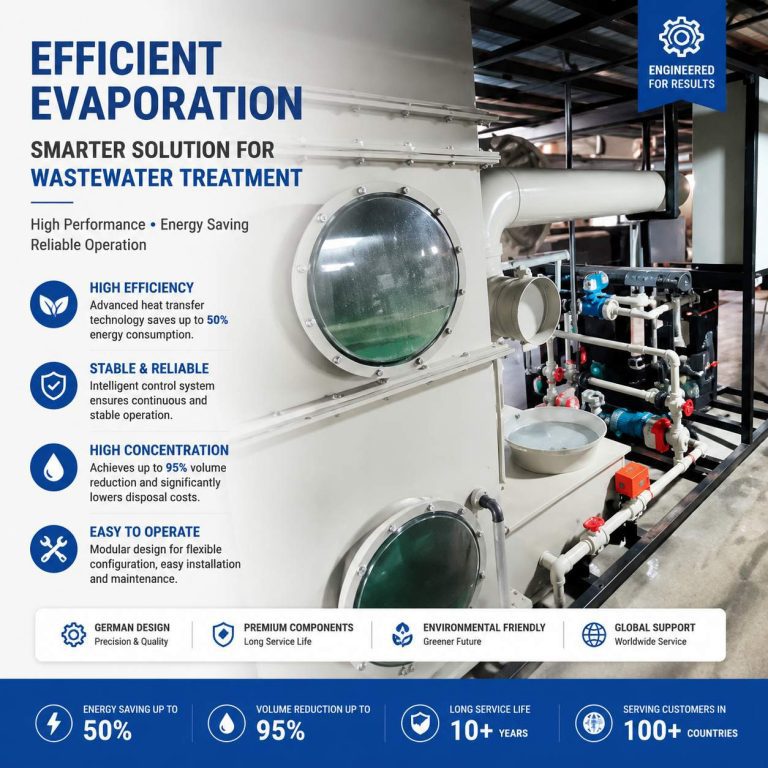
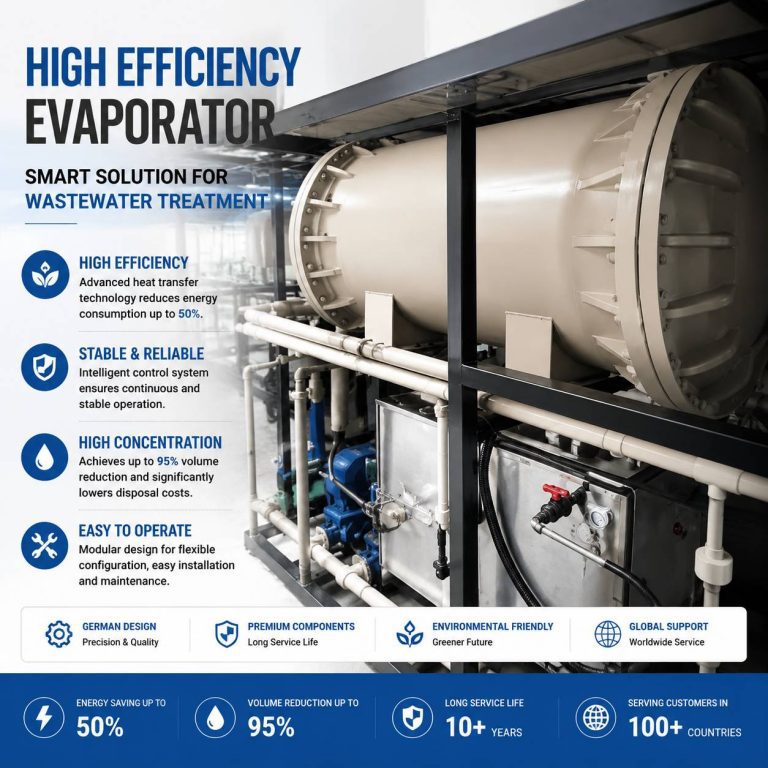
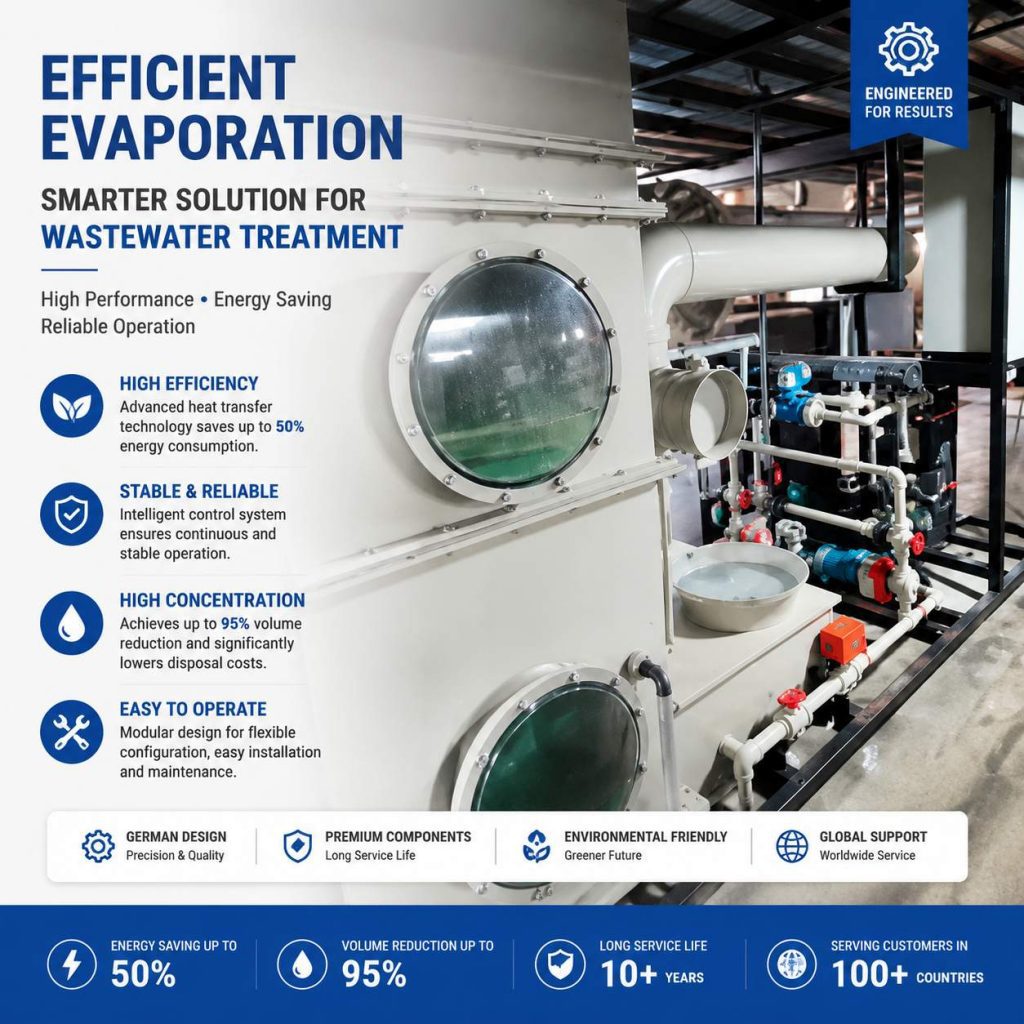
Guanya’s low-temperature atmospheric evaporator is designed for energy-efficient concentration and recovery of electroplating solutions, high-salinity wastewater and highly corrosive industrial liquids. Its automated control, corrosion-resistant construction and low-temperature operation support stable processing while reducing energy consumption, valuable material losses and maintenance requirements.

1. Fully Automatic Operation

The integrated control system supports automatic start and stop, operating-parameter monitoring, abnormal-condition alarms and fault shutdown. Optional remote monitoring further reduces the need for continuous on-site supervision.

2. No Feed Preheating Required

Plating solution can enter the system at ambient temperature without a separate preheating stage, helping simplify operation and reduce unnecessary energy consumption.

3. Energy-Efficient Electric Operation

The system operates entirely on electricity and uses heat-pump circulation to recover and reuse thermal energy. It does not require natural gas or a steam boiler, helping reduce energy use and operating costs.

Reference operating costs should be calculated according to local electricity prices, feed composition, evaporation capacity and required concentration ratio.

4. Low-Temperature Atmospheric Process

The system operates at atmospheric pressure, with the process-liquid temperature controlled at approximately 50°C or below. This avoids the high-temperature and high-pressure risks associated with conventional thermal evaporation.

5. Protects Valuable Plating Additives

Low-temperature processing helps minimize thermal degradation of organic components such as brighteners, activators and leveling agents, preserving the recovery and reuse value of the concentrated plating solution.

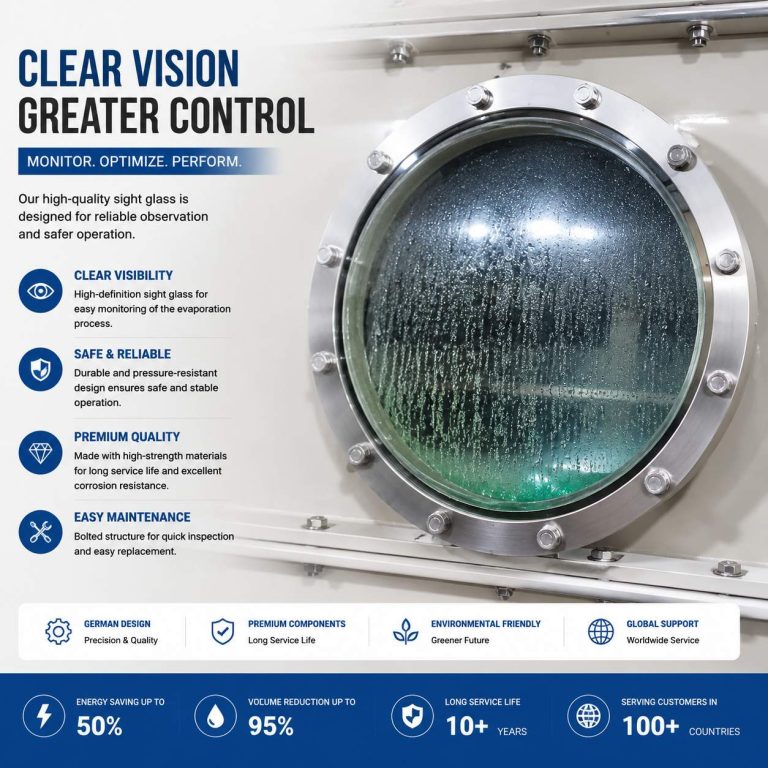
6. Built-In Cleaning System

An integrated cleaning function helps reduce scaling, crystallization and internal blockage, supporting stable operation and reducing maintenance-related downtime.

7. Superior Corrosion Resistance

Key wetted components can be manufactured from PTFE, PPH, graphite, silicon carbide and other compatible materials. This provides strong resistance to acidic, alkaline, chloride-, fluoride- and high-salinity process liquids.

8. Flexible Industrial Applications

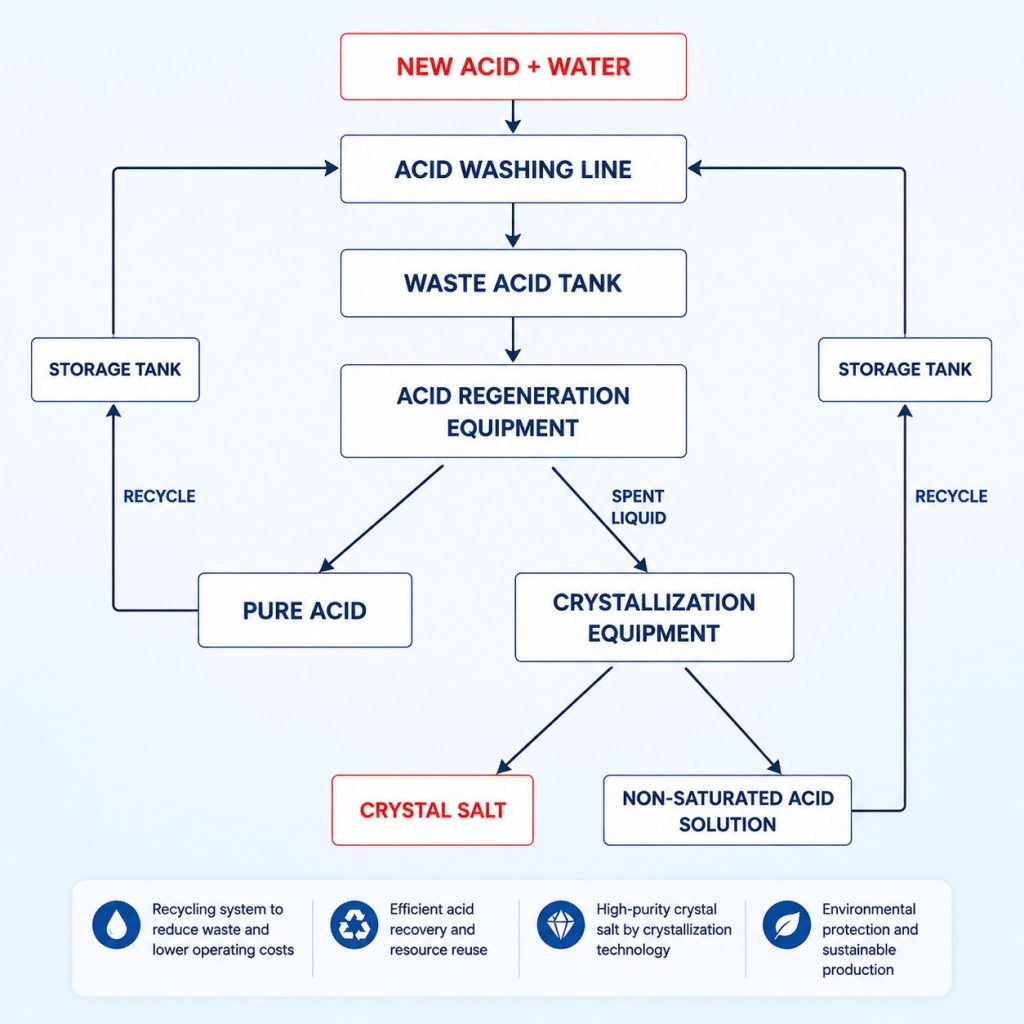
Because the main wetted components do not rely solely on conventional metallic materials, the system can be customized for a wide range of corrosive liquids, including electroplating solutions, nitric acid, sulfuric acid, hydrochloric acid, strong alkaline liquids and selected chemical-process wastewater.

Contact Us Anytime

Contact Us Anytime

Send Us a message

Product Catalog